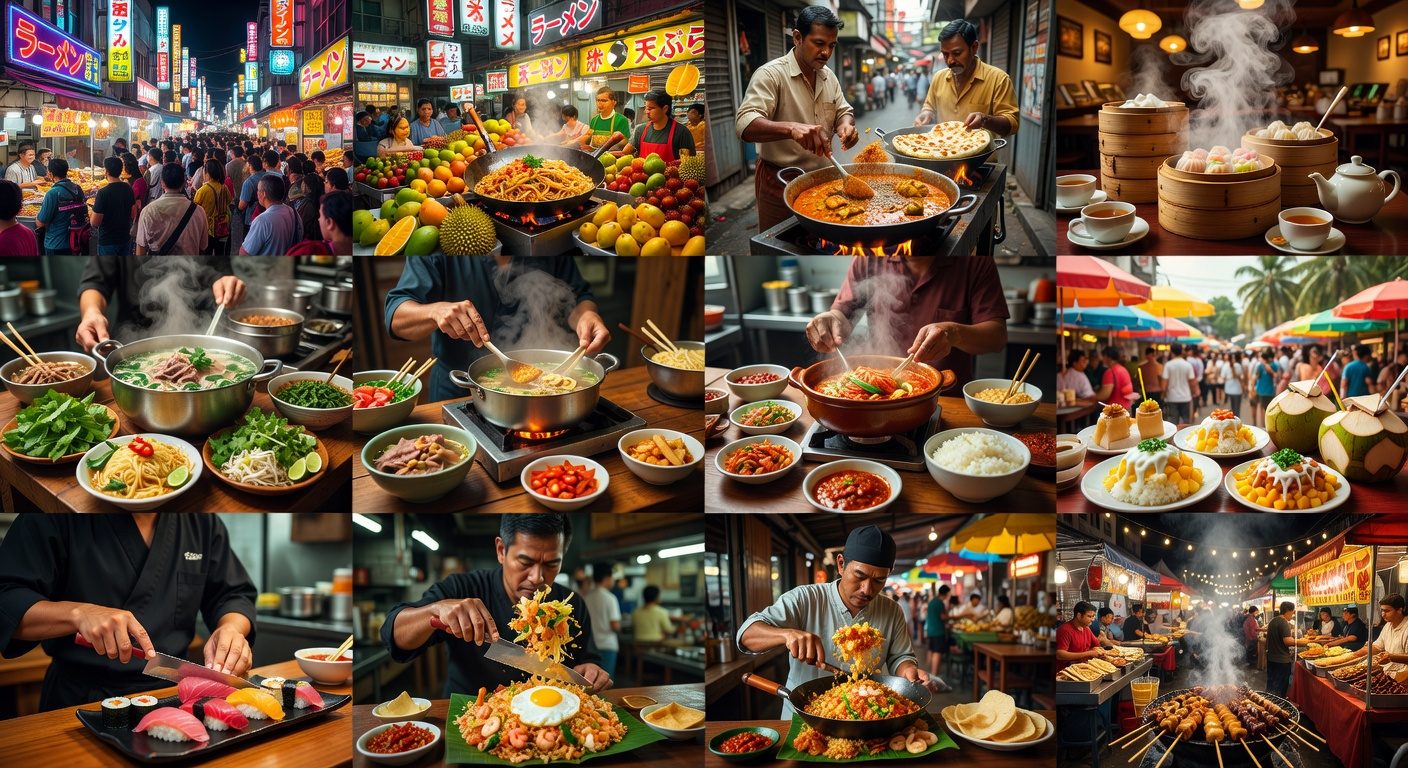
🇯🇵 Tokyo Restaurant Guide
The world's most Michelin-starred city, with more noodle shops, sushi counters, and izakayas than any other city on Earth. Here's how to eat like a local.
The world's most Michelin-starred city, with more noodle shops, sushi counters, and izakayas than any other city on Earth. Here's how to eat like a local.
The legendary 10-seat counter immortalized in "Jiro Dreams of Sushi." Master Jiro Ono's three Michelin star temple of nigiri. Reservations require a hotel concierge and are booked months in advance.
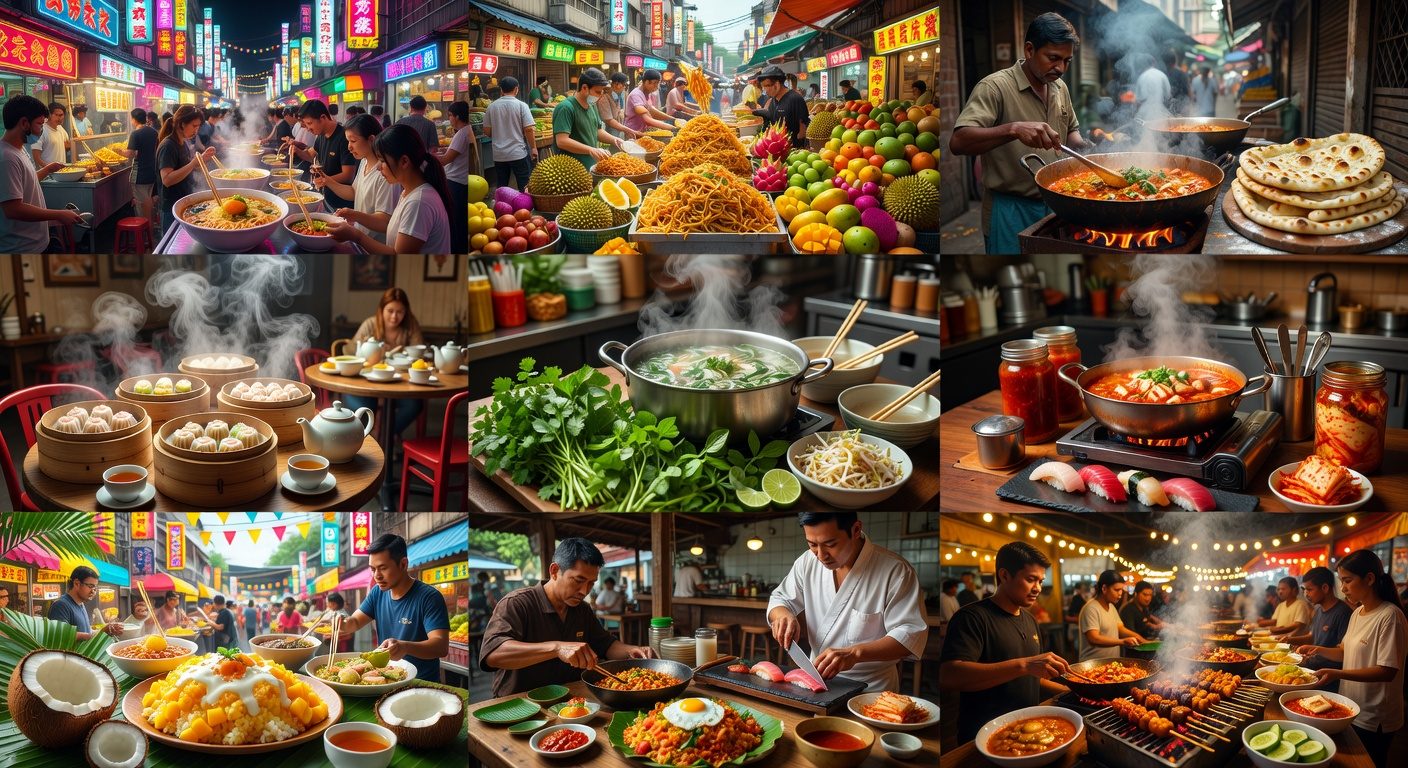
The finest tsukemen (dipping ramen) in Tokyo. Thick, hand-made noodles dipped in a rich chicken-based broth. Queue opens at 11am — arrive 30 minutes early. Cash only.
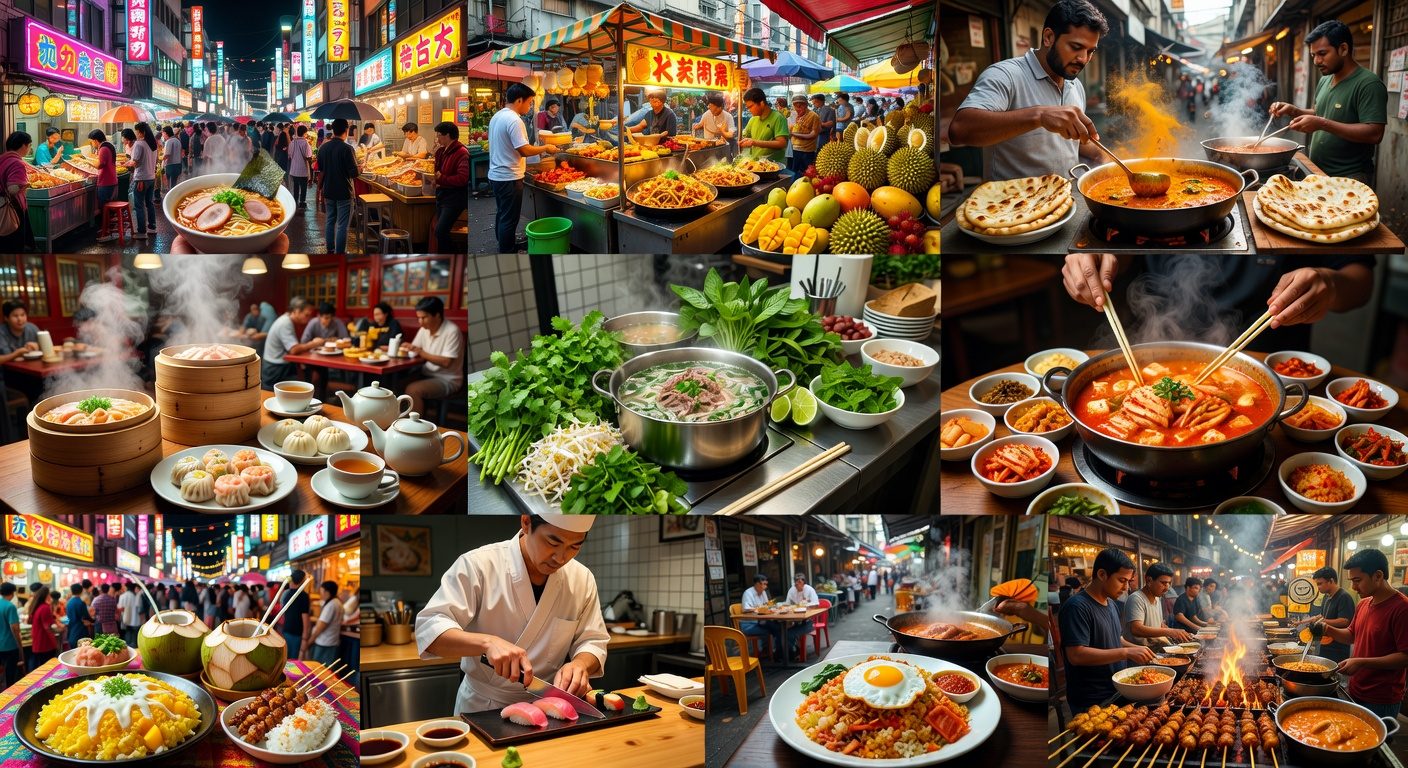
Golden Gai is a labyrinth of 200 tiny bars, each seating 5-8 people. Order yakitori, sashimi, edamame, and drink with strangers who become friends. This is Tokyo's soul.
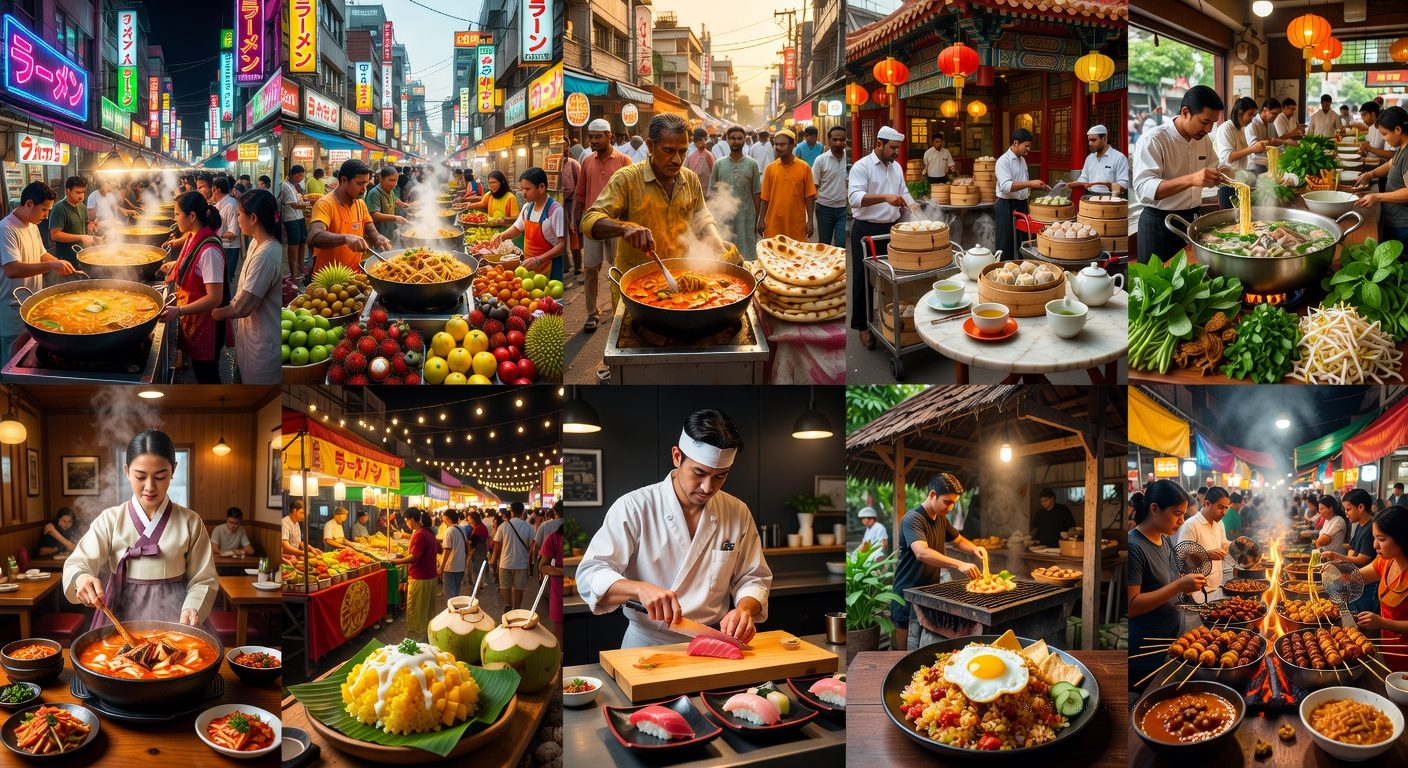
Tokyo's most glamorous dining district — Michelin-starred omakase, premium wagyu, and sophisticated cocktail bars in glass towers.
Golden Gai's tiny bars, Omoide Yokocho (Memory Lane), and everything from ¥600 ramen to ¥50,000 kaiseki.
Arrive before 7am for the freshest tamagoyaki, sushi breakfast, and straight-from-the-ocean seafood skewers.
Tokyo's bohemian neighborhood — indie curry shops, vinyl cafés, and inventive farm-to-table bistros.
Canal-side restaurants and cafés — ideal for a leisurely brunch or evening sake tasting.
Every major department store's food basement — Isetan, Takashimaya — is a world-class food destination in itself.
Many restaurants use vending machines for ordering. Insert money, select your dish, receive a ticket, hand to staff. Simple and efficient.
Many Tokyo restaurants are cash-only. Always carry ¥10,000-20,000 in cash. ATMs at 7-Eleven always accept foreign cards.
The same restaurant charging ¥15,000 for dinner often has a ¥1,200 teishoku (set lunch). Arrive before 12pm to avoid queues.
Queuing outside restaurants is normal and always worth it. Don't talk loudly in line — observe the respectful silence of committed food lovers.