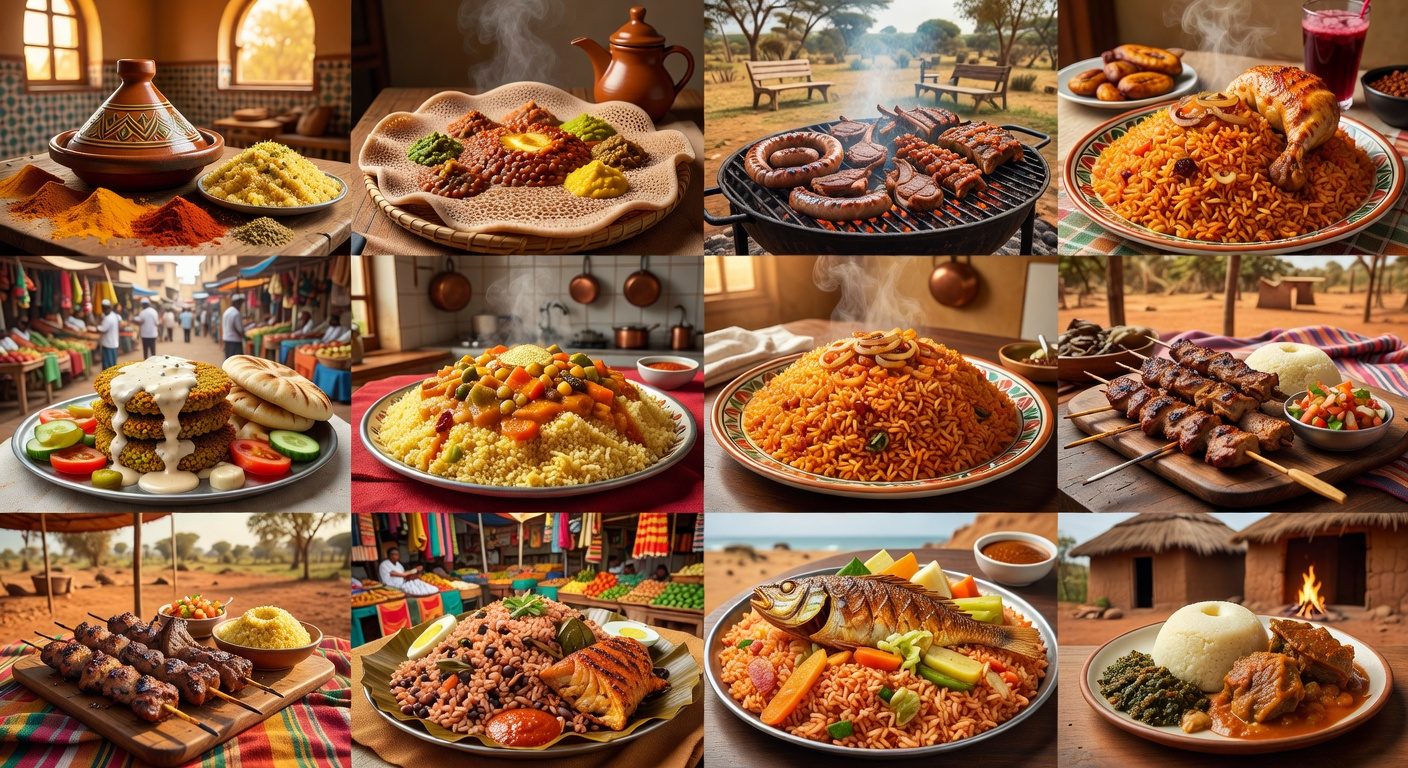
Food
Traditions
Ancient recipes, sacred ceremonies, and the timeless rituals of communal eating that connect us to our ancestors and each other.
Ancient recipes, sacred ceremonies, and the timeless rituals of communal eating that connect us to our ancestors and each other.
UNESCO has recognised food cultures and culinary traditions as Intangible Cultural Heritage since 2010 — acknowledging what anthropologists have long understood: food is one of humanity's most powerful vessels for transmitting culture, identity, and values across generations.
The act of eating together — of preparing food according to inherited ritual, of serving in specific sequences, of honouring guests with particular dishes — creates bonds that no other human activity can replicate. A meal is never just a meal.
Each of these culinary traditions carries centuries of history, community, and meaning in every bite.
Injera — a spongy sourdough flatbread made from teff grain — is not just Ethiopia's staple food but its communal dining vessel. Stews and salads are arranged on a large injera, and all diners eat together with their hands from the same platter, embodying the Ethiopian value of unity. The act of placing food in another's mouth (gursha) is an expression of love and respect.
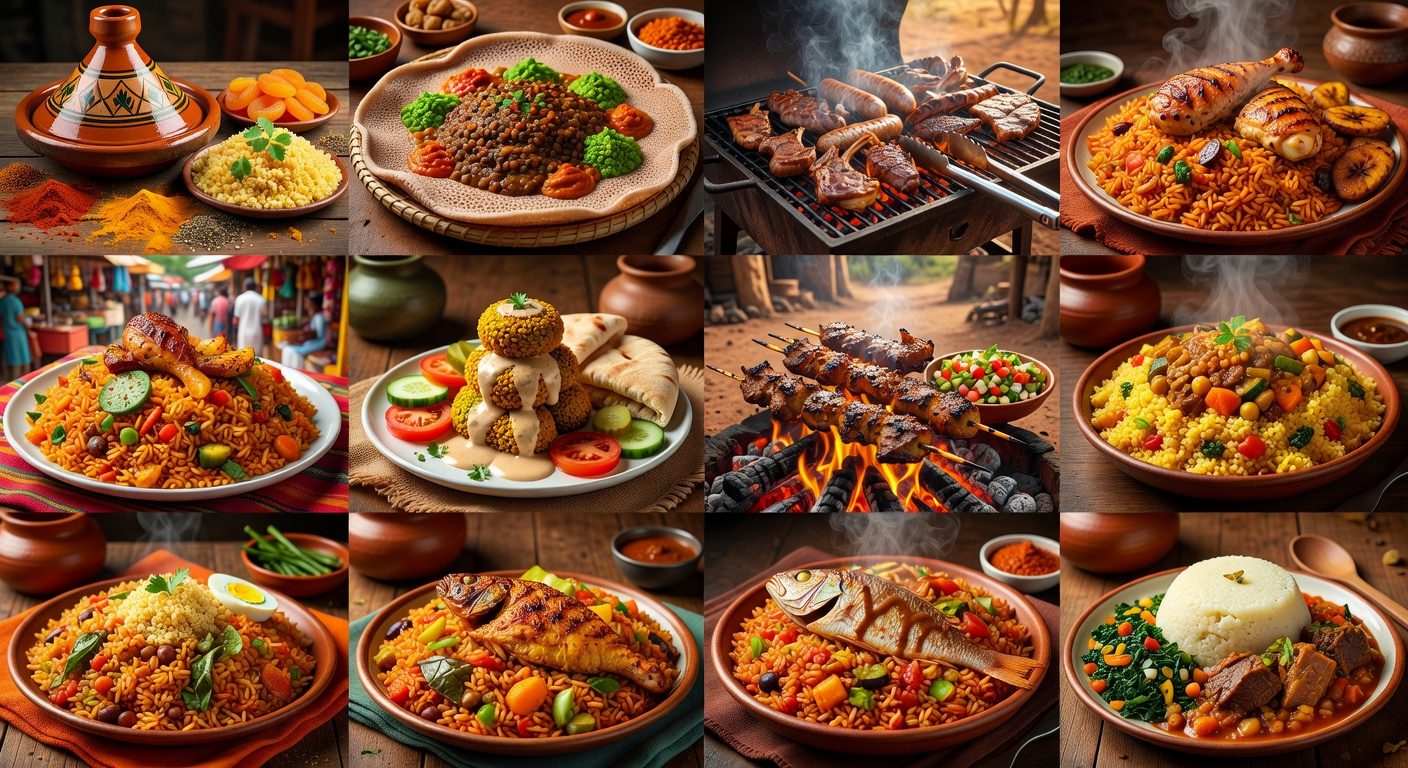
In Ghana, waakye — rice and beans cooked together with sorghum leaves that turn the dish a characteristic dark colour — is traditionally eaten on Fridays and has deep community significance. Waakye sellers are neighbourhood institutions, feeding the community from enormous pots that simmer from before dawn. Eating waakye is a weekly ritual of belonging.
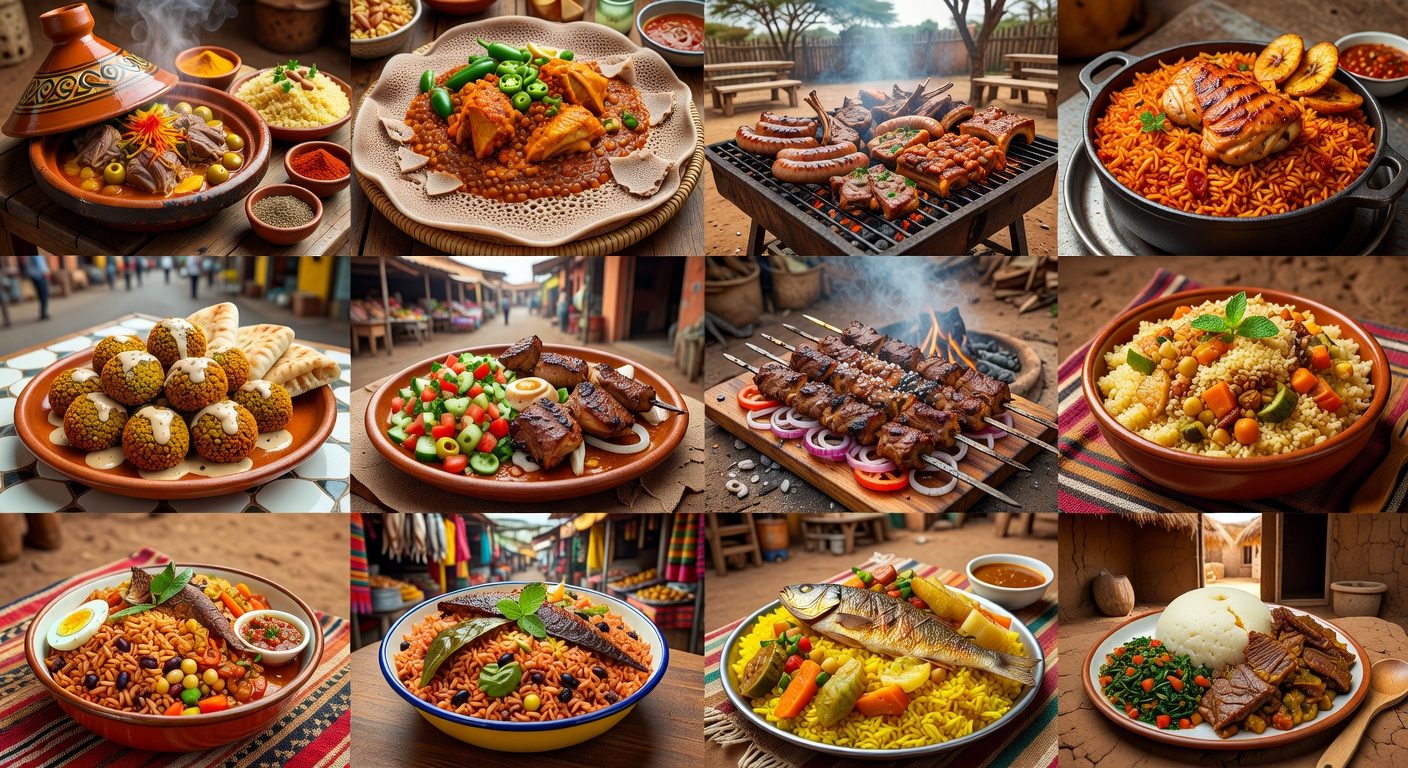
No Nigerian celebration — from weddings to naming ceremonies to funerals — is complete without jollof rice. Cooked in one pot with tomatoes, peppers, and spices, the distinctive smoky base (the coveted "party jollof" flavour achieved over wood fire) makes it instantly recognisable. Jollof rice is not a recipe; it is a cultural event, and the debate over whose is best unites the West African diaspora worldwide.
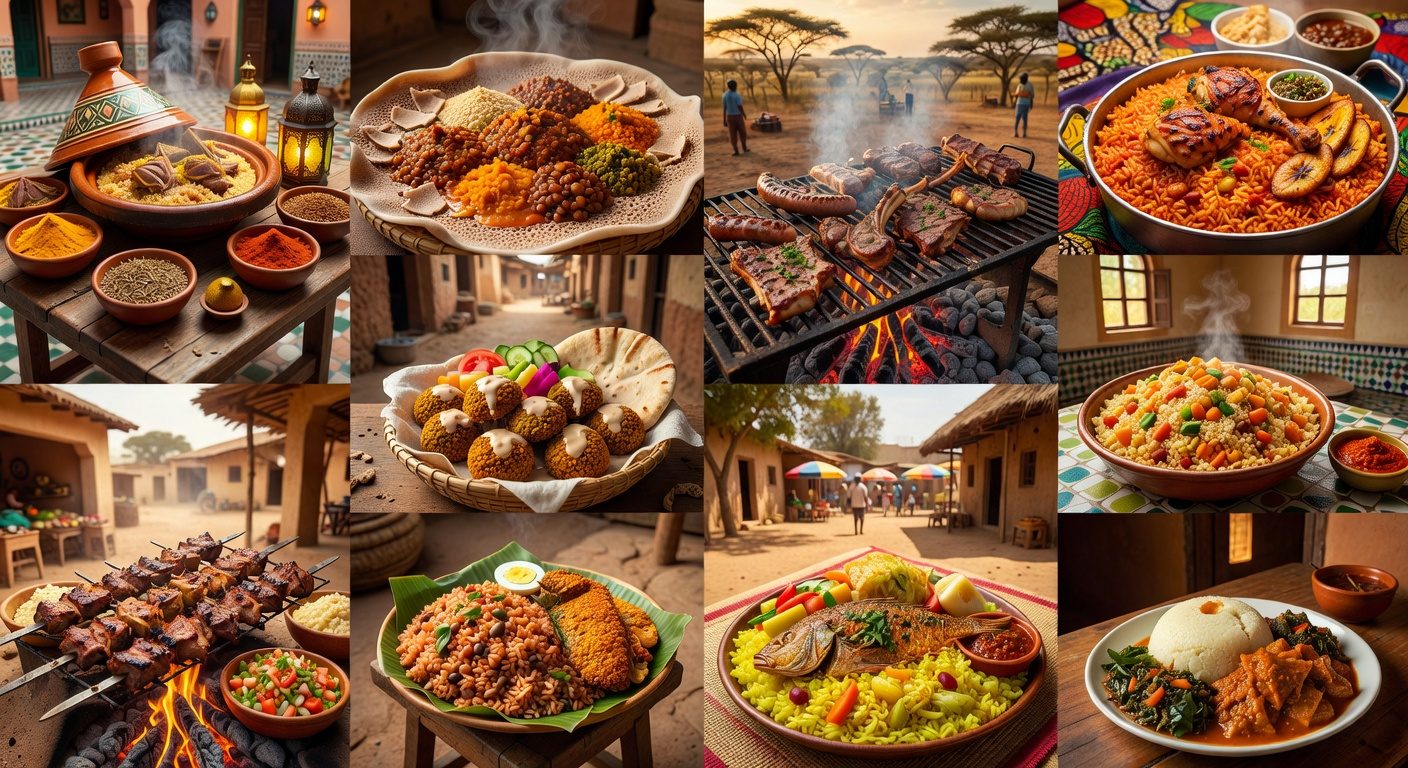
Sadza — a stiff maize porridge similar to ugali, fufu, or pap across Africa — is the cornerstone of Zimbabwean daily life. Prepared by the women of the household, it is eaten with the right hand, formed into a ball, pressed to make a small indentation, and used to scoop up relishes of vegetables, beans, or meat. The rhythm of sadza preparation structures the Zimbabwean day.
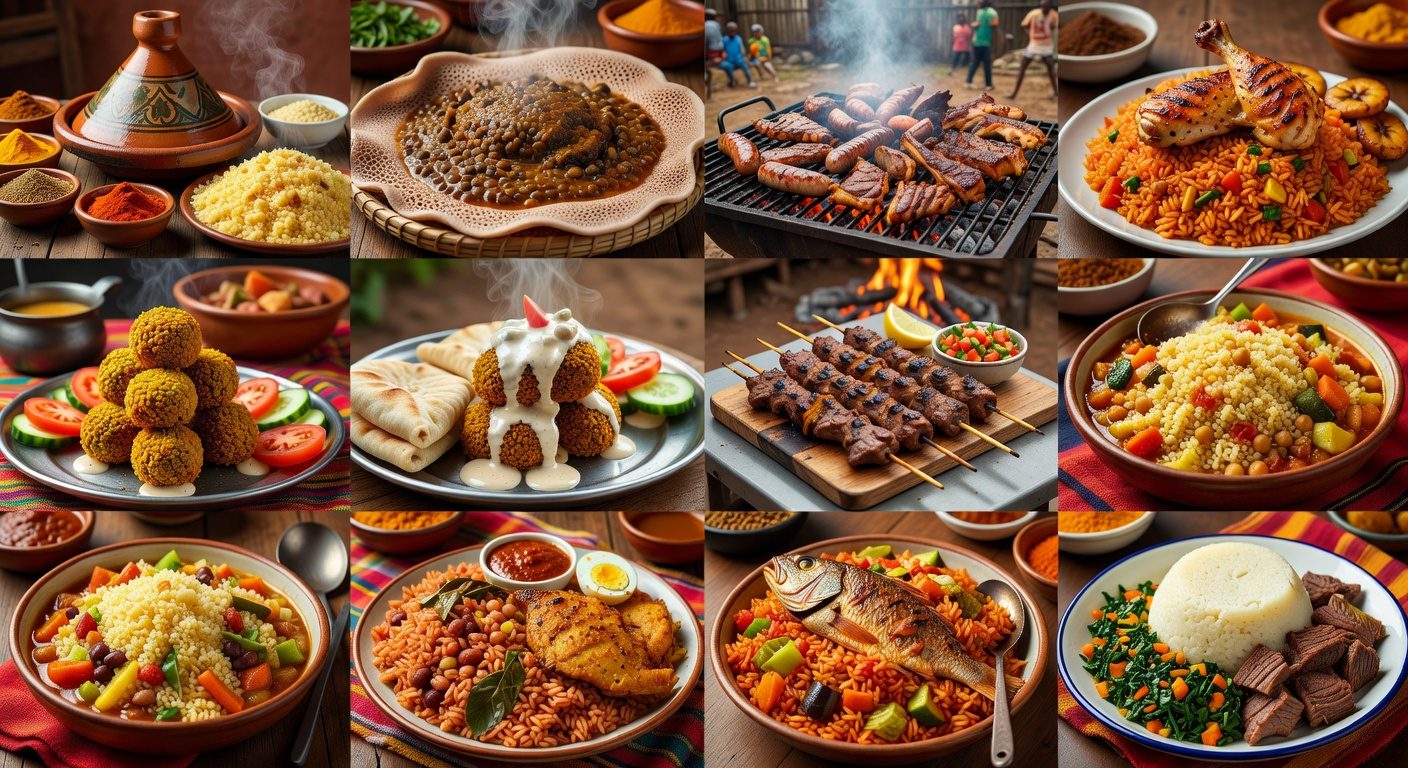
Nyama choma — literally "roasted meat" in Swahili — is Kenya's most celebrated social food. Whole goat or beef is slow-roasted over wood coals and eaten with ugali, kachumbari salad, and Tusker beer. It is the food of celebration, of deals sealed, of friendships cemented. The best nyama choma experiences happen in roadside joints where the smoke, noise, and laughter are all part of the dish.
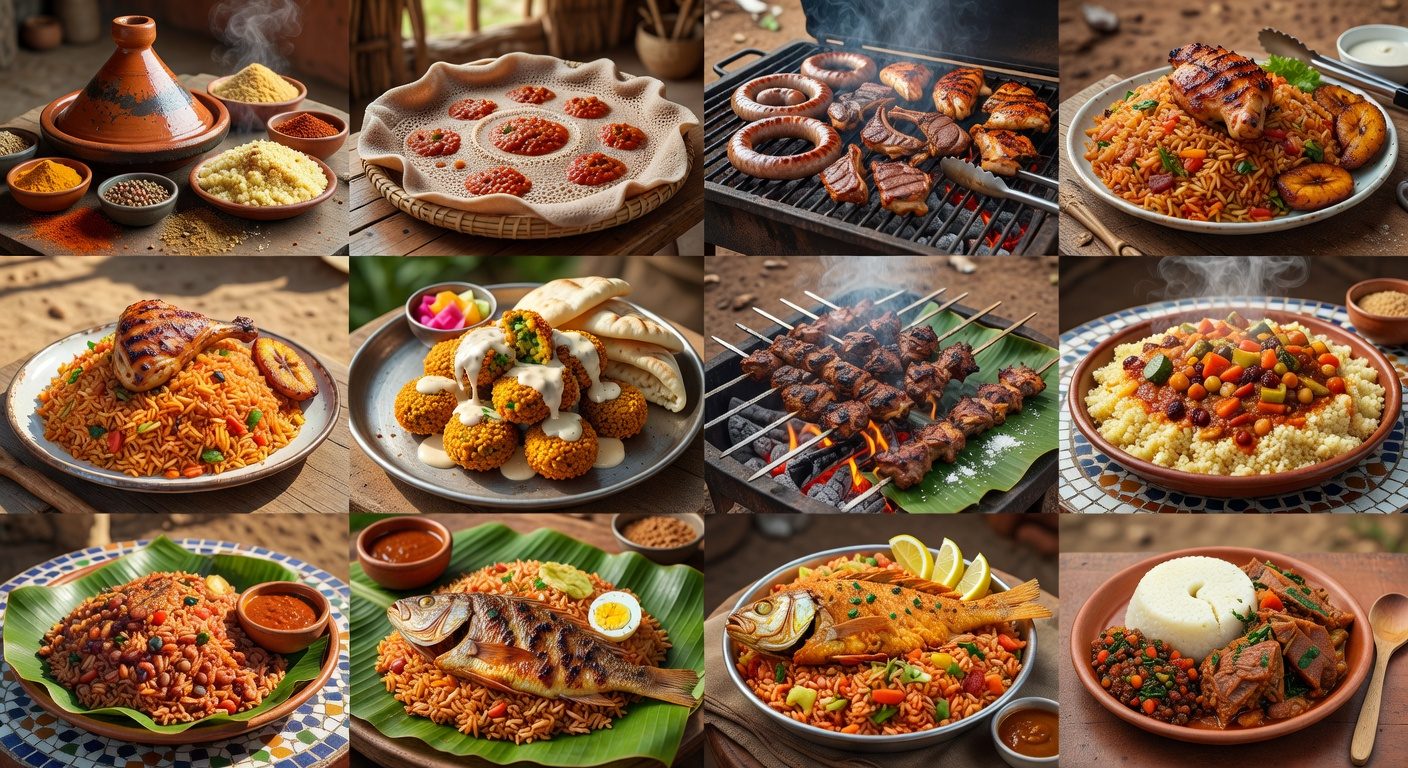
The braai (Afrikaans for barbecue) is South Africa's most powerful culinary unifier — shared across ethnic, racial, and class boundaries. It is both a cooking method and a social institution, a weekend ritual so significant that September 24th (Heritage Day) is colloquially known as National Braai Day. The braai is where South Africa comes together, tongs in hand.
The United Nations Educational, Scientific and Cultural Organisation has formally recognised these food traditions as part of humanity's Intangible Cultural Heritage — a reminder that what we eat and how we eat it is as precious as any monument.
You're subscribed!