Food
Festivals
From Thailand's mango celebrations to Fiji's underground feasts — the world's great food festivals are moments of pure communal joy worth travelling for.
From Thailand's mango celebrations to Fiji's underground feasts — the world's great food festivals are moments of pure communal joy worth travelling for.
These are the celebrations that stop entire nations in their tracks — where food becomes ceremony, spectacle, and shared memory.
Southeast Asia
Every April and May, as Thailand's orchards explode with more than 200 varieties of mango, the country celebrates with its beloved Mango Festival — a week-long tribute to what many consider the world's greatest fruit. The festival, centred in Bangkok, draws farmers, chefs, and mango-obsessed visitors from across Asia.
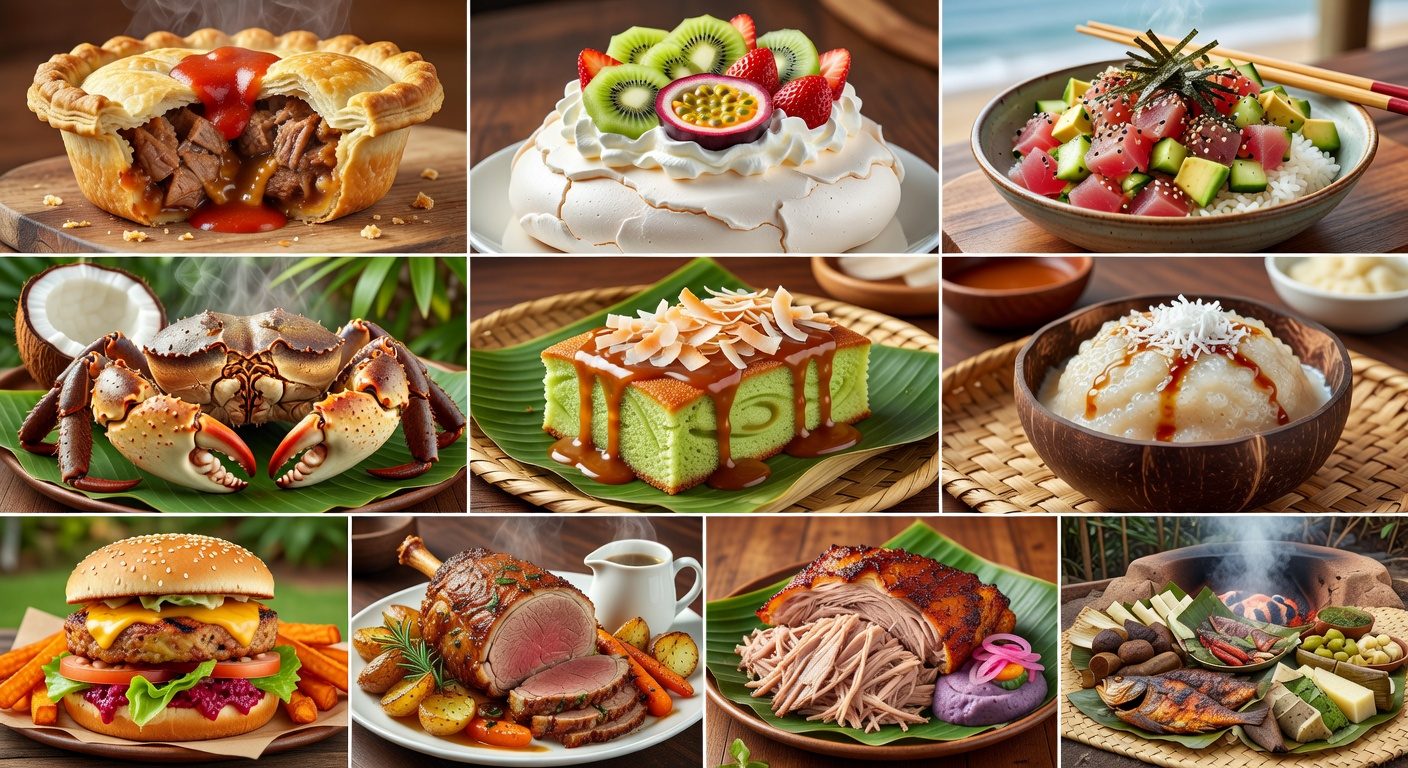
The showstopper is always mango sticky rice (khao niao mamuang) — fragrant glutinous rice cooked in coconut cream, topped with perfectly ripe fresh mango slices, and finished with a drizzle of salted coconut cream. For just a few weeks each year, every street stall, restaurant, and home kitchen in Thailand serves this iconic combination.
Beyond sticky rice, the festival celebrates mango in every conceivable form: mango chilli jam, mango beer, mango ice cream, mango chutney, dried mango, and whole carved fruit displays of extraordinary artistry.
 South America
Rio de Janeiro's Carnival is famous for its samba, costumes, and spectacular parades — but the food that sustains four days of celebration is equally extraordinary. Brazil's Carnival food culture centres on communal eating: enormous pots of feijoada (black bean and pork stew), churrasco grills running through the night, and street vendors moving through the crowds with trays of coxinha, pão de queijo, and caipirinha.
Feijoada is particularly central to Carnival — Brazil's national dish, a slow-cooked stew of black beans with a range of pork cuts (including the more robust parts that give it its depth of flavour), served on Saturdays in restaurants and family homes nationwide. During Carnival weekend, the Saturday feijoada becomes a multi-hour communal event, eaten in large groups with orange slices, farofa, couve, and rice.
 Pacific
The Hawaiian luau is one of the most ancient and deeply meaningful food festivals in the Pacific. Rooted in the ali'i (royal) feasts of ancient Hawaii, the luau centres on the imu — an underground oven in which a whole pig (kalua pig) is slow-cooked on hot lava rocks for 6–8 hours, emerging as impossibly tender, smoky, and fragrant meat.
The luau table extends far beyond the kalua pig to include poi (pounded taro), lomi lomi salmon, haupia (coconut pudding), poke, and the vibrant flavours of Hawaiian plate lunch culture. Modern luaus at Waimea Valley, Old Lahaina Luau, and across the islands connect visitors to genuine cultural practice through food, hula, and storytelling.
 Pacific Islands
The pandan leaf — known locally as fala — permeates Samoan food culture. During festival season, Samoan communities celebrate with pandan-infused dishes that range from sweet cakes to savoury rice, the distinctive green colour and vanilla-coconut fragrance of pandan signalling celebration and abundance.
The Samoa Pandan Festival brings together communities to prepare traditional dishes collectively: pandan chiffon cake, pandan coconut jam, and the iconic pandan sticky rice wrapped in banana leaf. The event is as much about maintaining cultural knowledge — the preparation methods passed from grandmother to granddaughter — as it is about the food itself. Visitors are welcomed with the traditional ava ceremony before the feast begins.
 Pacific Islands
The lovo is Fiji's ancient earth oven — a pit dug into the ground, lined with stones heated by fire, and used to slow-cook an extraordinary range of food wrapped in banana and taro leaves. The lovo feast is central to all major Fijian celebrations: weddings, funerals, religious holidays, and the welcome of important guests.
Preparation of the lovo is a community effort that begins the night before. Men dig the pit and heat the stones; women prepare the food — chicken, fish, pork, taro, sweet potato, and cassava wrapped in layers of banana leaf. The parcels are lowered into the pit, covered with earth, and cooked slowly for 2–3 hours. When the lovo is opened, the fragrant steam and beautifully cooked food within create one of the Pacific's most moving food experiences.
You're subscribed!