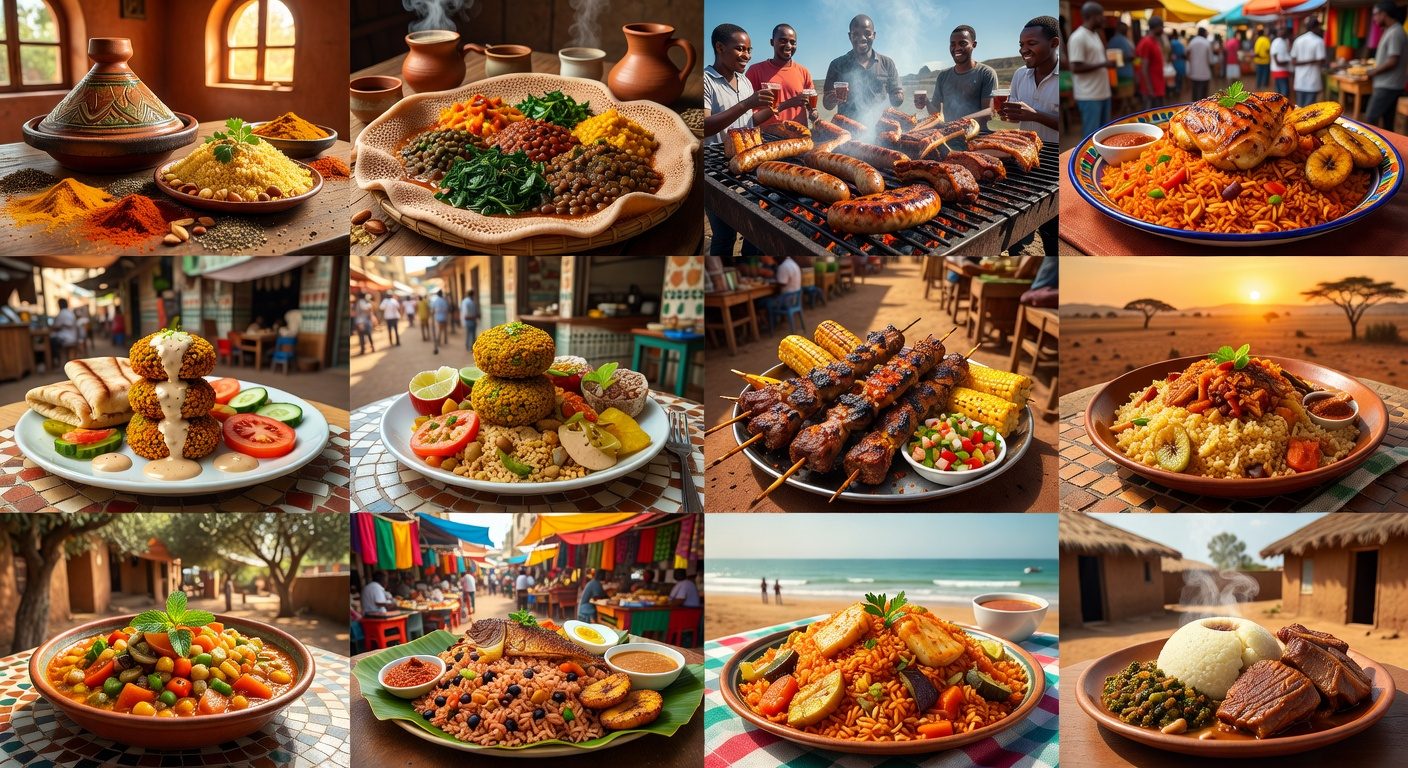
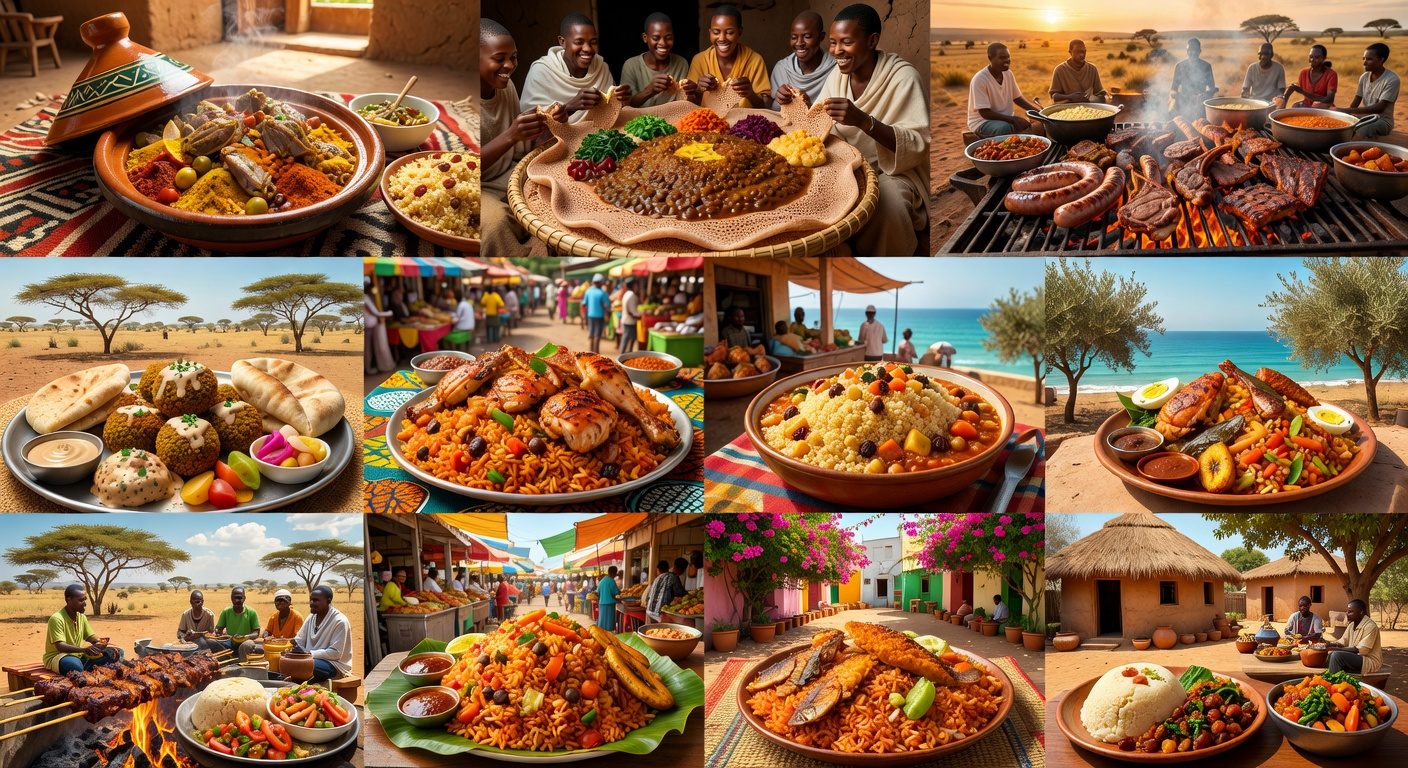
Morocco – Tagine Culture
Home / Destinations / Morocco
🇲🇦

Morocco

A seductive blend of Berber, Arab, and Mediterranean influences — Morocco's cuisine is aromatic, colorful, and deeply nourishing. The smell of ras el hanout alone will transport you.

🫕 Tagine 🍚 Couscous 🍵 Mint Tea 🫓 Bastilla 🧆 Harira
🌿
30+
Spices in Ras el Hanout
🫕
100+
Tagine Variations
🏙️
4
Royal Cuisine Cities
🍵
3x
Mint Tea Servings per Visit
🫙
3,000
Years of Food Culture

Where Spice Routes Converge

Morocco sits at the crossroads of Africa, Europe, and the Arab world — and its cuisine reflects this extraordinary blend. Berber nomads contributed slow-cooked tagines and preserved lemons. Arab traders brought saffron, cinnamon, and almonds. Mediterranean influences added fresh herbs, olives, and citrus.

The result is a cuisine of extraordinary complexity and warmth. A Moroccan meal is not just food — it's a ceremony. Hands are washed first. Bread is used to scoop, never a fork. Tea is poured with theatrical flourish. And meals last for hours.

The Djemaa el-Fna Experience

As darkness falls in Marrakech, the Djemaa el-Fna square transforms into the world's greatest food theater. Hundreds of stalls materialize serving everything from steaming bowls of harira to grilled merguez, snail soup, and whole roasted lamb. It is, simply, one of Earth's greatest dining experiences.
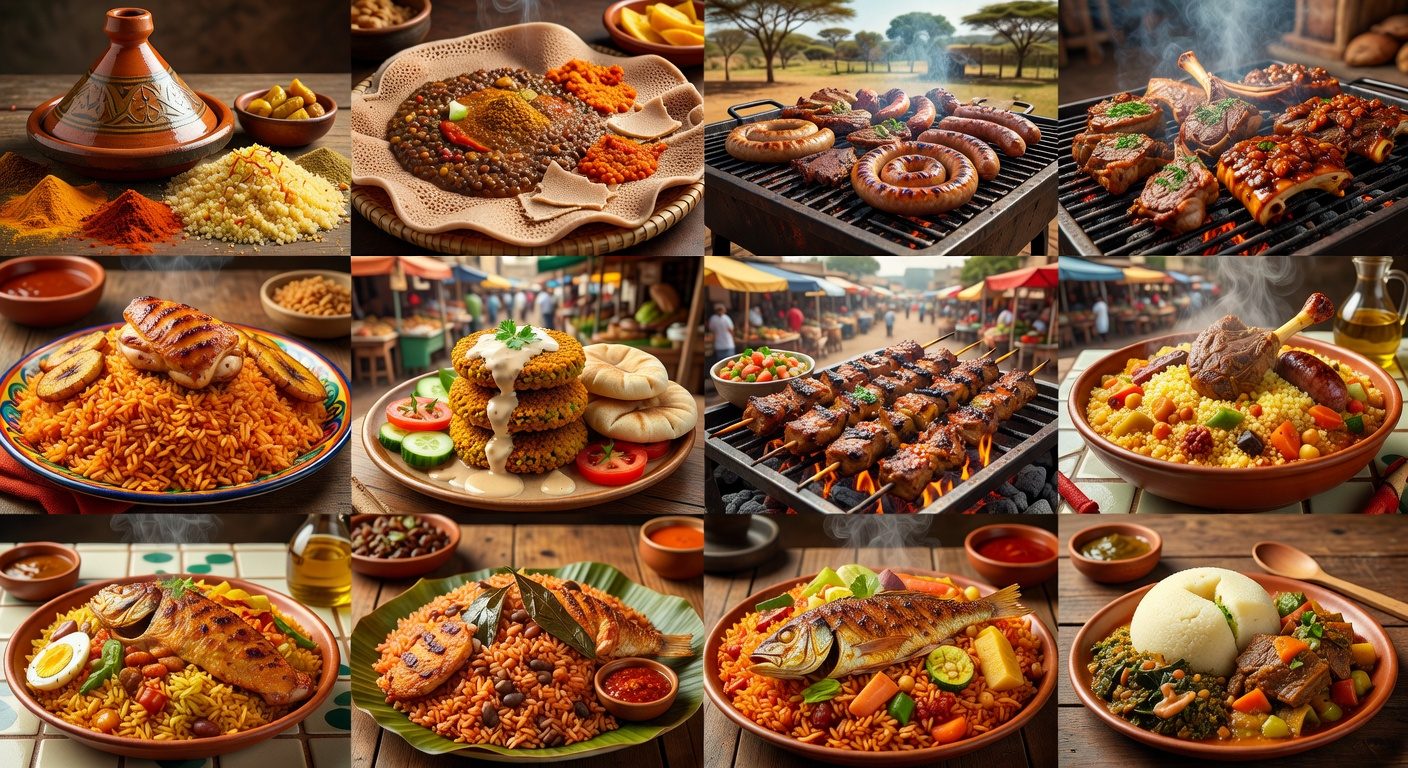
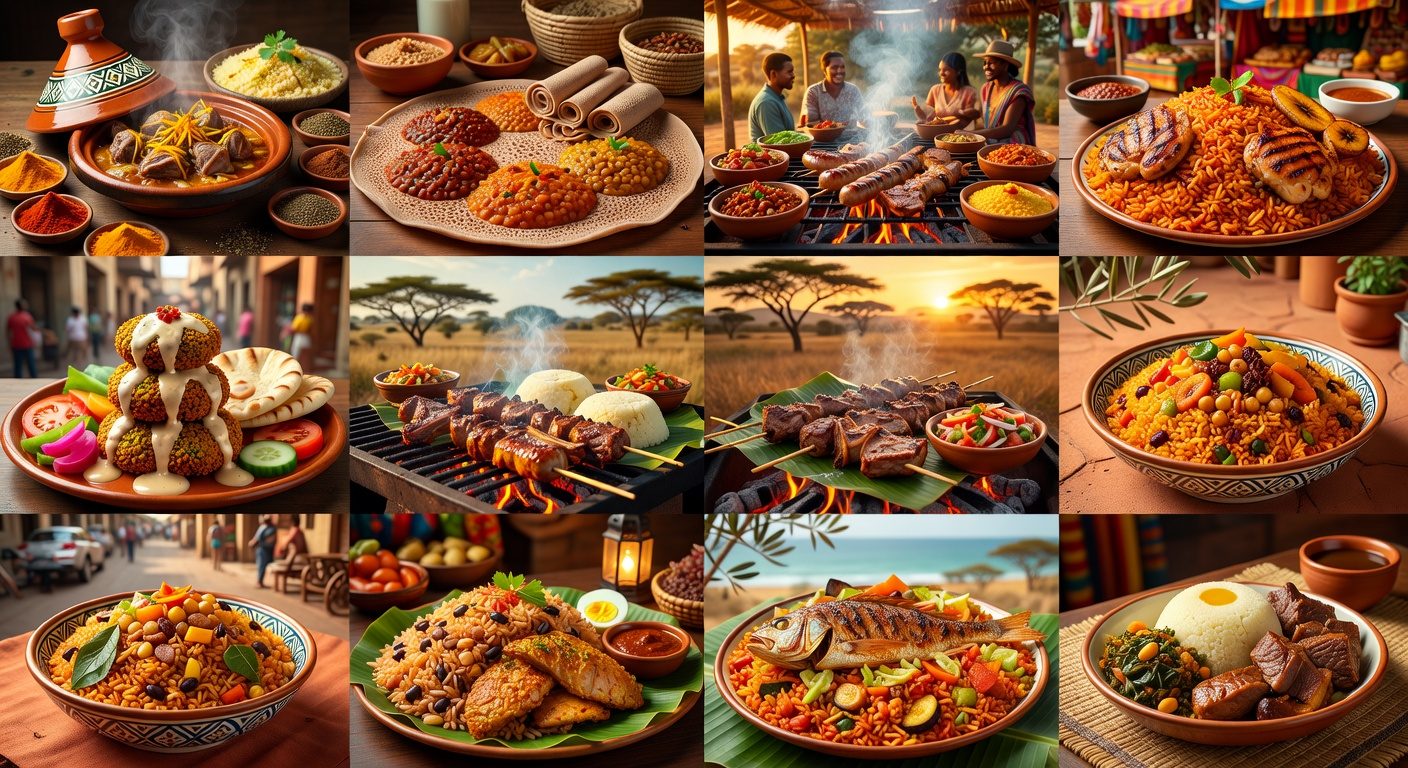
North African Food

Morocco's Iconic Foods

Tagine
Signature Dish

Tagine

Slow-cooked in a conical clay pot — lamb with prunes and almonds, chicken with preserved lemon and olives. Time is the secret ingredient.

Couscous
Friday Staple

Couscous

Hand-rolled semolina steamed three times until light as a cloud, topped with a rich vegetable and meat stew. Friday is couscous day.

Bastilla
Royal Delicacy

Bastilla

A flaky pastry of pigeon or chicken, almonds, eggs, and cinnamon — dusted with powdered sugar. Sweet and savory perfection.

Harira
Ramadan Essential

Harira

A thick, warming soup of tomatoes, lentils, chickpeas, and fresh herbs. The traditional soup used to break the Ramadan fast.

Moroccan Spice Market
✦ Spice Culture

Ras el Hanout: The King of Spice Blends

The name means "head of the shop" — the best the spice merchant has to offer. Every family has its own recipe, every merchant guards it jealously. Some versions contain 30 or more individual spices.

Moroccan souks are sensory overrides — cone-shaped mountains of turmeric, cumin, paprika, saffron, rose petals, and dried ginger in shades of gold, orange, red, and earthen brown.

  • Saffron from Taliouine — the world's finest
  • Argan oil from Souss Valley — "liquid gold"
  • Preserved lemons — essential in almost every dish
  • Smen — aged fermented butter with complex funkiness

Morocco's Culinary Capitals

Marrakech

Marrakech

The Red City — home of Djemaa el-Fna, endless tagines, and the world's most intoxicating food markets

Fez

Fez

Morocco's ancient spiritual capital — home to refined Fasi cuisine, pastilla, and the world's oldest university

Casablanca

Casablanca

Morocco's modern food scene — fresh seafood restaurants, contemporary Moroccan cuisine, and French-influenced patisseries

Essaouira

Essaouira

The wind city — known for fresh grilled seafood right off fishing boats, and argan oil cooperatives

Marhaba — Welcome to Morocco

Read our complete guide to eating in the Marrakech medina — from street stalls to rooftop riads.

Explore Moroccan Markets →