Food
Markets
The world's great food markets are living museums — vibrant, chaotic, fragrant windows into the soul of every culture on earth.
The world's great food markets are living museums — vibrant, chaotic, fragrant windows into the soul of every culture on earth.
These extraordinary markets are not just places to shop — they are living museums, cultural institutions, and the beating hearts of their cities.
 Africa
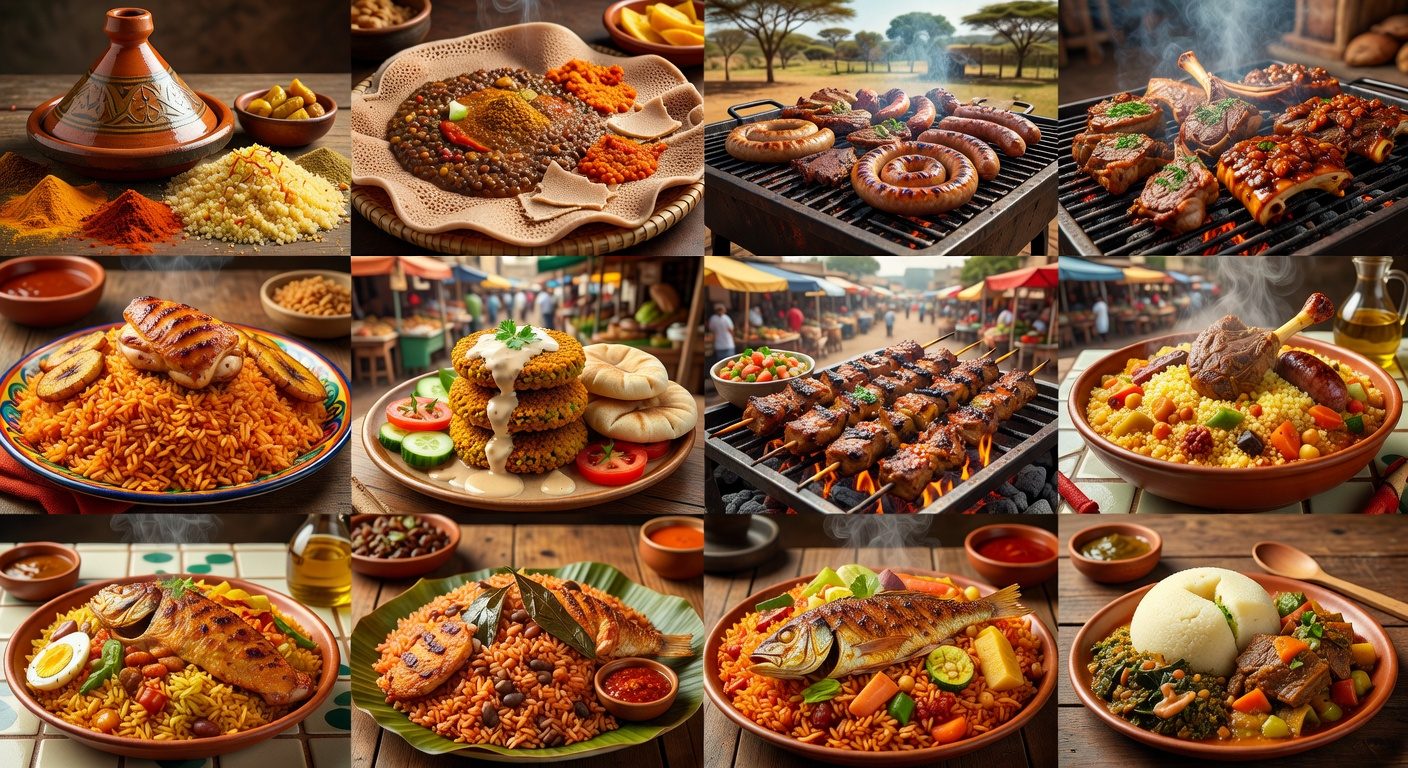
UNESCO has recognised Djemaa el-Fna as a Masterpiece of the Oral and Intangible Heritage of Humanity. By day it sells fresh-squeezed orange juice and argan oil; by night it transforms into a vast open-air restaurant with dozens of smoking grills serving harira soup, merguez sausages, and whole roasted lamb's heads to hundreds of locals and travellers under the stars.
 Southeast Asia
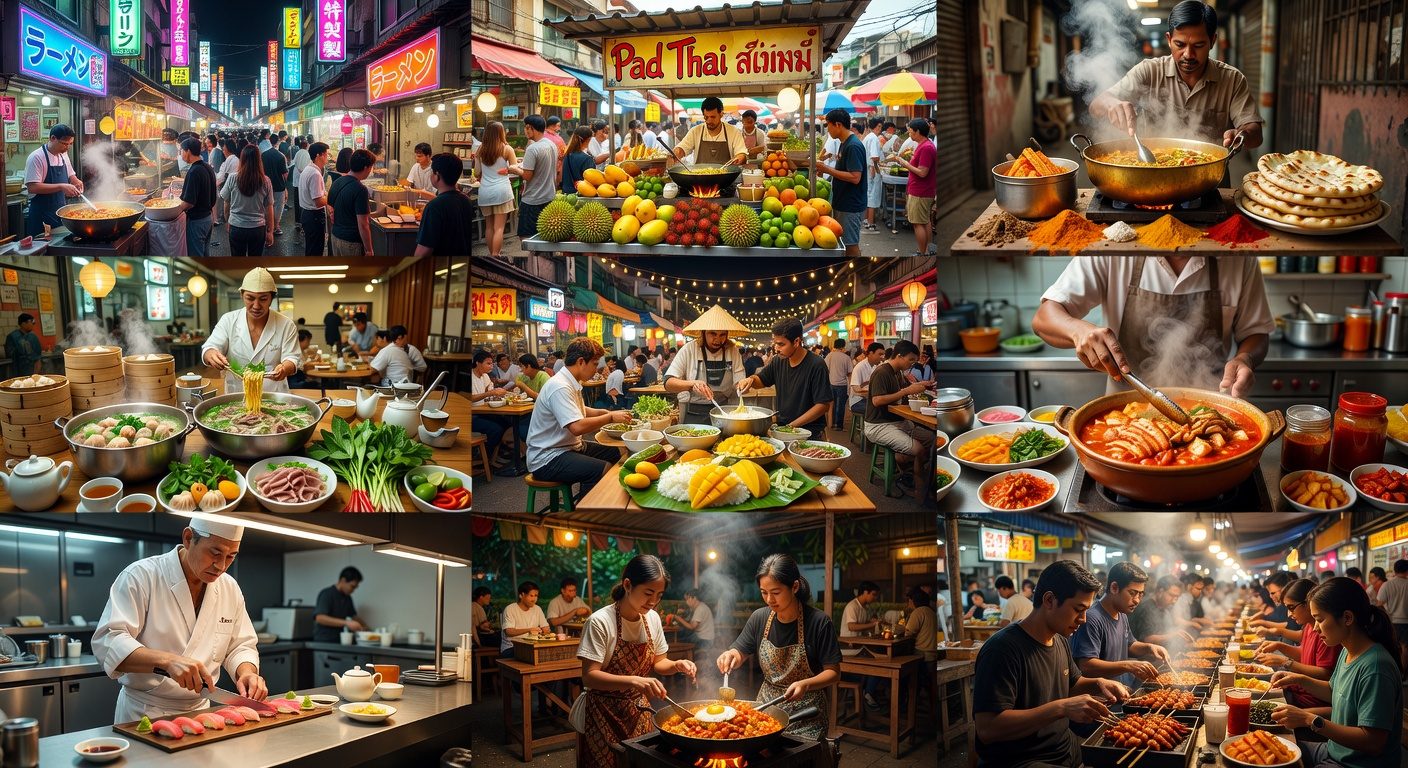
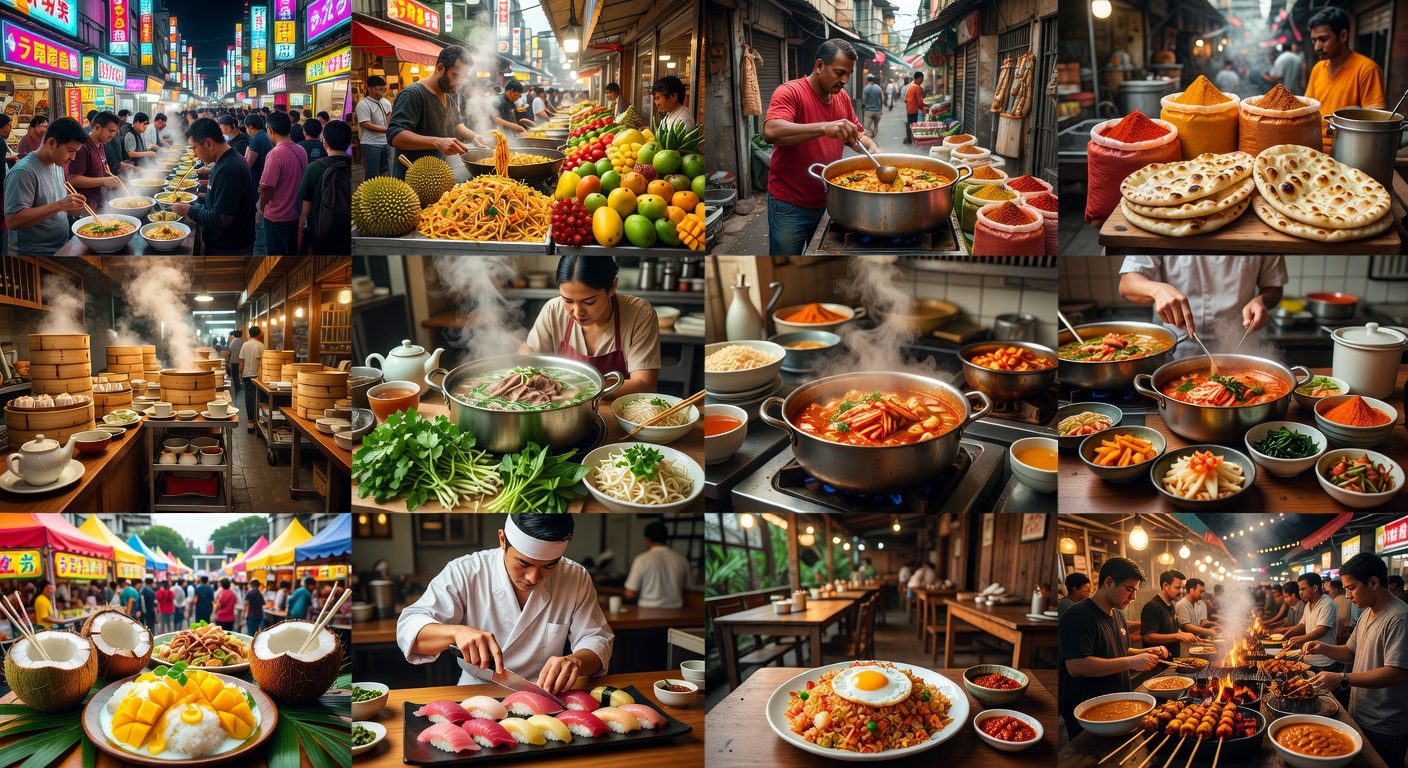
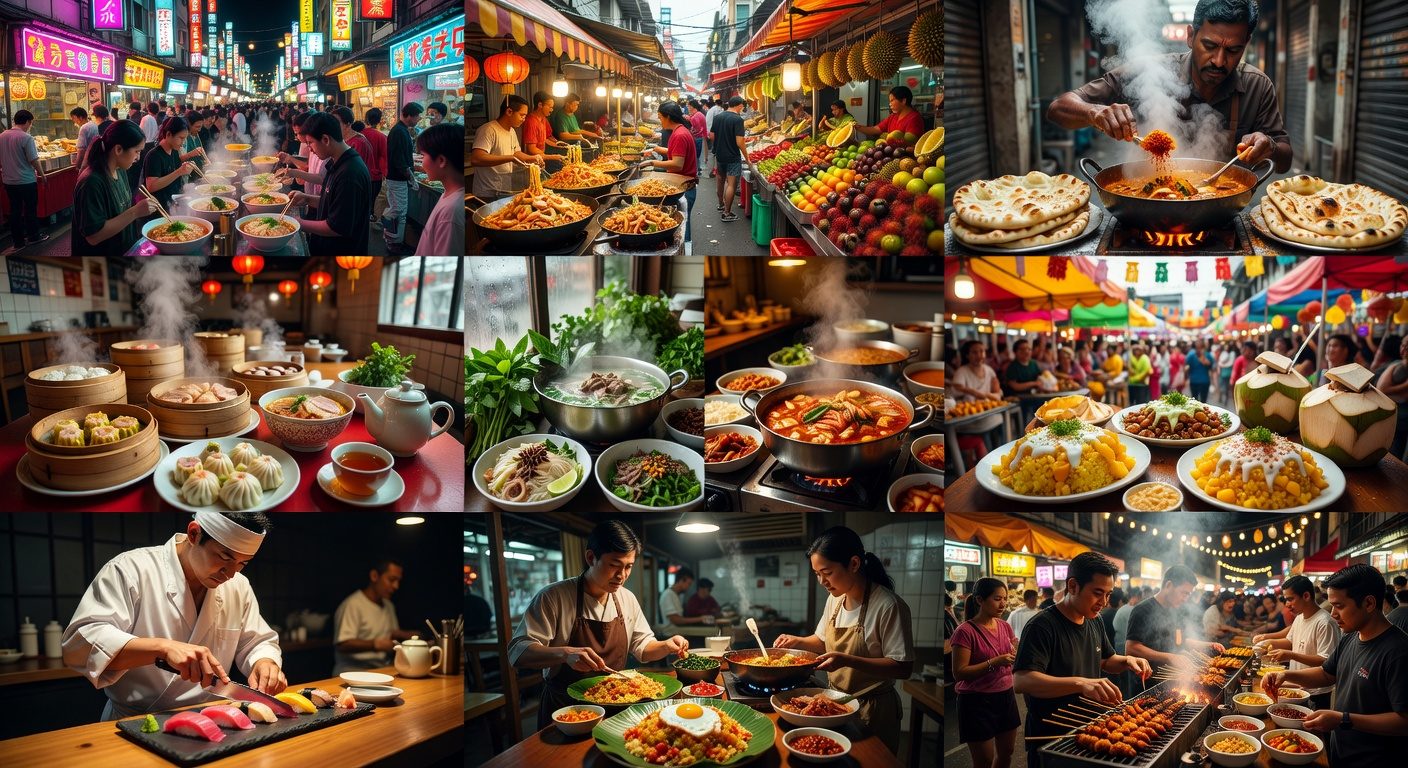
Described by CNN Travel as Asia's finest fresh market, Or Tor Kor is a cut above the typical Thai market — everything is impeccably fresh, beautifully displayed, and of exceptional quality. The prepared food section alone is worth crossing the city for: mango sticky rice piled high, grilled satay skewers, and coconut curries in colours that seem impossibly vivid.
South Asia
Built in 1869 under British colonial administration, Crawford Market (now officially Dr Shyamaprasad Mukherji Chowk) remains Mumbai's most atmospheric food market. Its Norman-Gothic architecture houses an extraordinary warren of stalls selling spices, dry fruits, poultry, and produce. The surrounding streets form one of South Asia's greatest street food districts.
 Europe
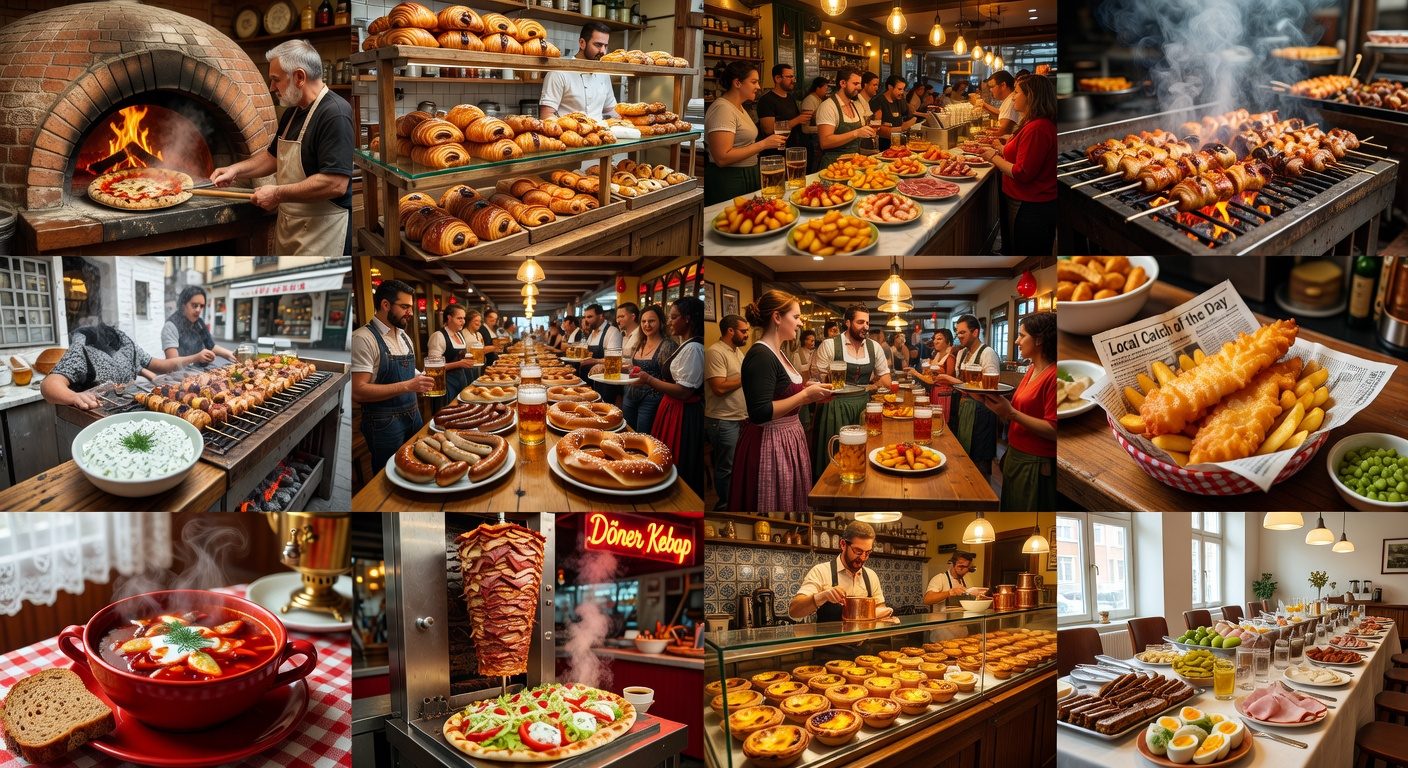
Barcelona's most famous market is a sensory overload of the best kind — mountains of seasonal produce, whole legs of jamón hanging from the ceiling, fresh seafood on ice, and juice bars serving glasses of freshly squeezed tropical fruit. Despite its fame, La Boqueria remains a working market where locals shop daily alongside tourists drawn by its magnificent spectacle.
 Southeast Asia
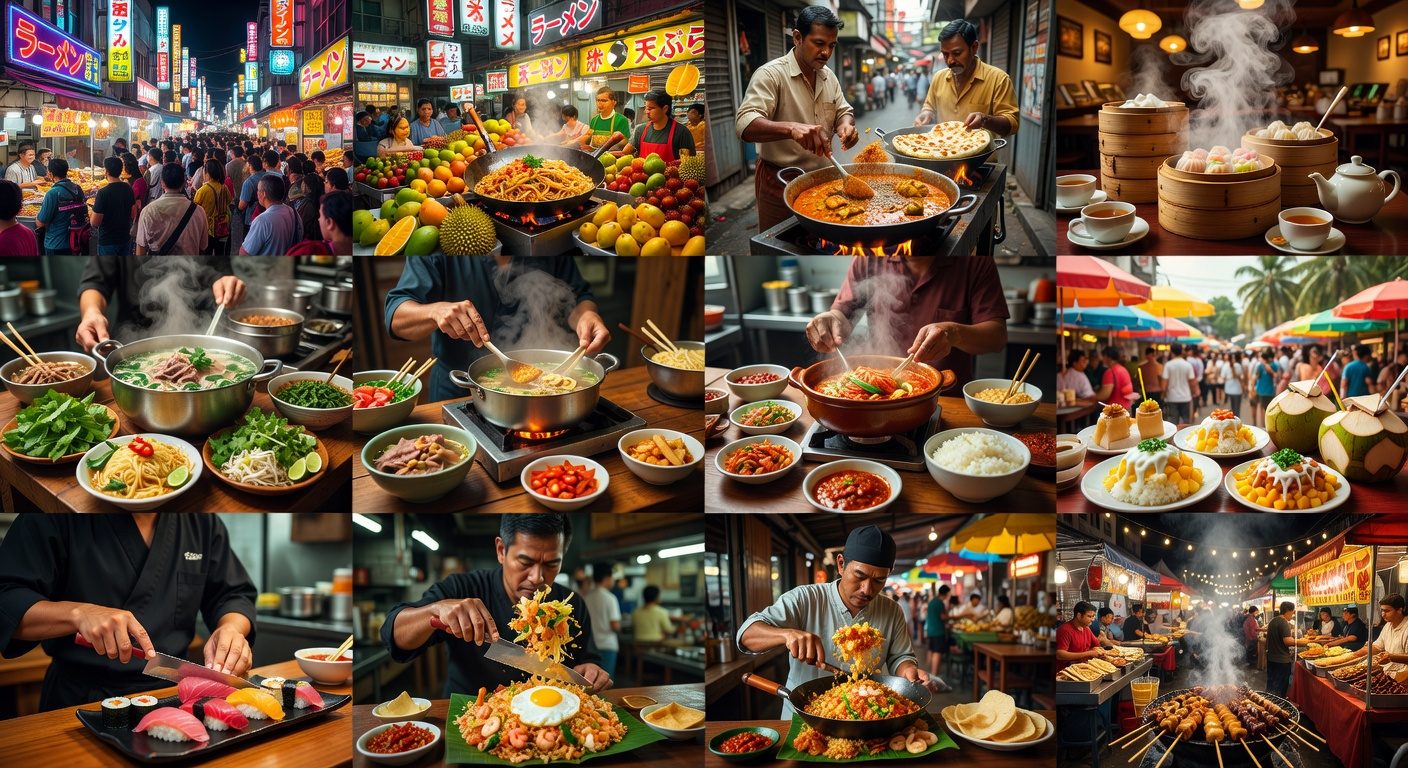
The iconic French colonial-era market at the heart of Ho Chi Minh City is both a working wet market and a tourist attraction of great charm. Inside, vendors in traditional áo dài sell everything from live frogs to hand-embroidered textiles. The surrounding night market comes alive after dark with bánh mì vendors, pho stalls, and freshly blended sugarcane juice.
 East Asia
The difference between a bewildering crowd and a magnificent adventure is knowing how to navigate a food market with confidence and curiosity.
The best produce goes first. Professional chefs and serious home cooks arrive at dawn. The freshest fish, ripest fruit, and most prized ingredients are gone by 9am in most markets.
Do a full lap of the market before buying anything. You'll spot the best vendors, understand the range of prices, and discover ingredients you wouldn't have thought to look for.
Always ask permission before photographing vendors and their stalls. A respectful interaction — and ideally a purchase — opens doors to genuine warmth and often a behind-the-scenes glimpse.
Market vendors rarely carry much change. Having exact or near-exact money makes transactions faster, more pleasant, and earns you more goodwill than any amount of bargaining.
The best market eating is spontaneous — a piece of cheese pressed into your hand by a vendor, a slice of fruit, a single dumpling. Come hungry and eat as you walk.
In any language, knowing "please," "thank you," and the name of what you're buying transforms you from a tourist into a welcomed guest. Vendors always respond to genuine effort.
You're subscribed!