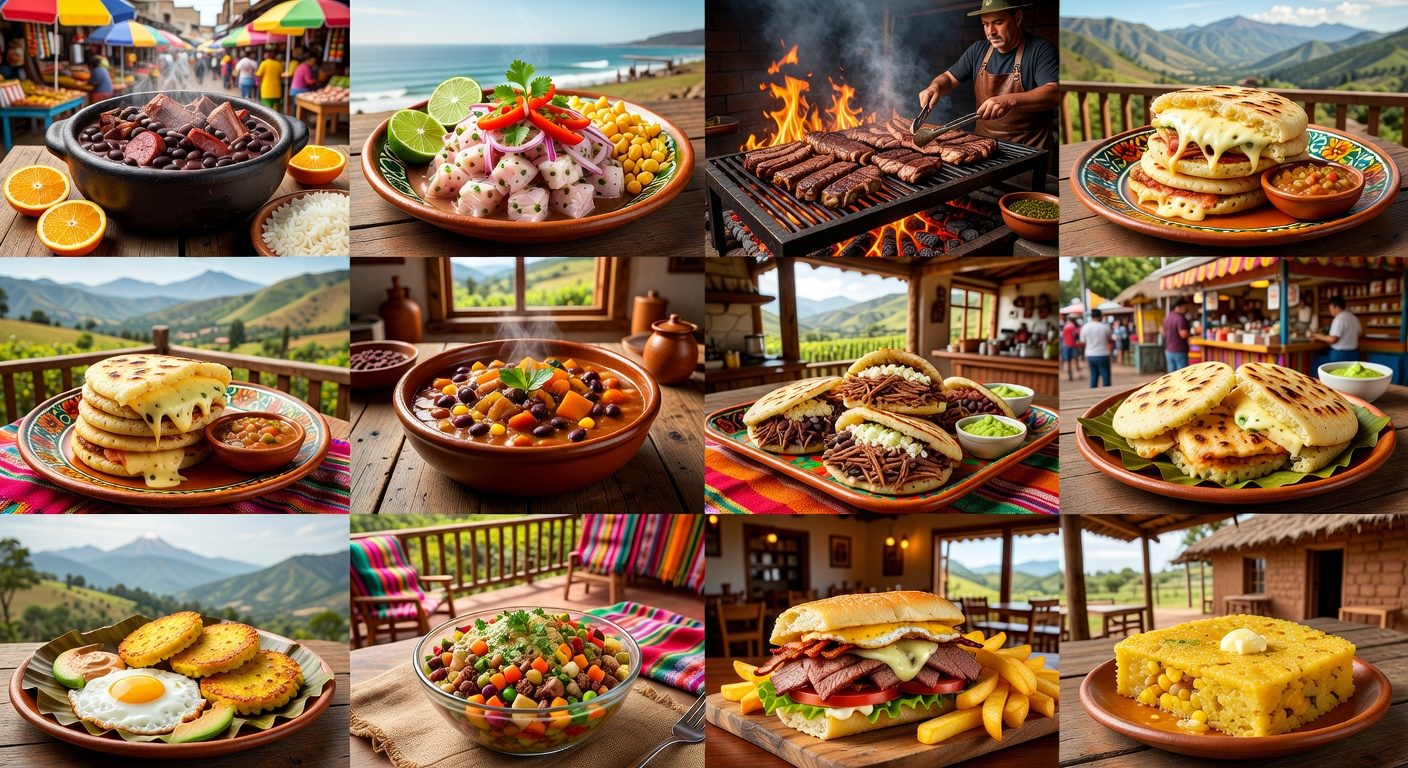
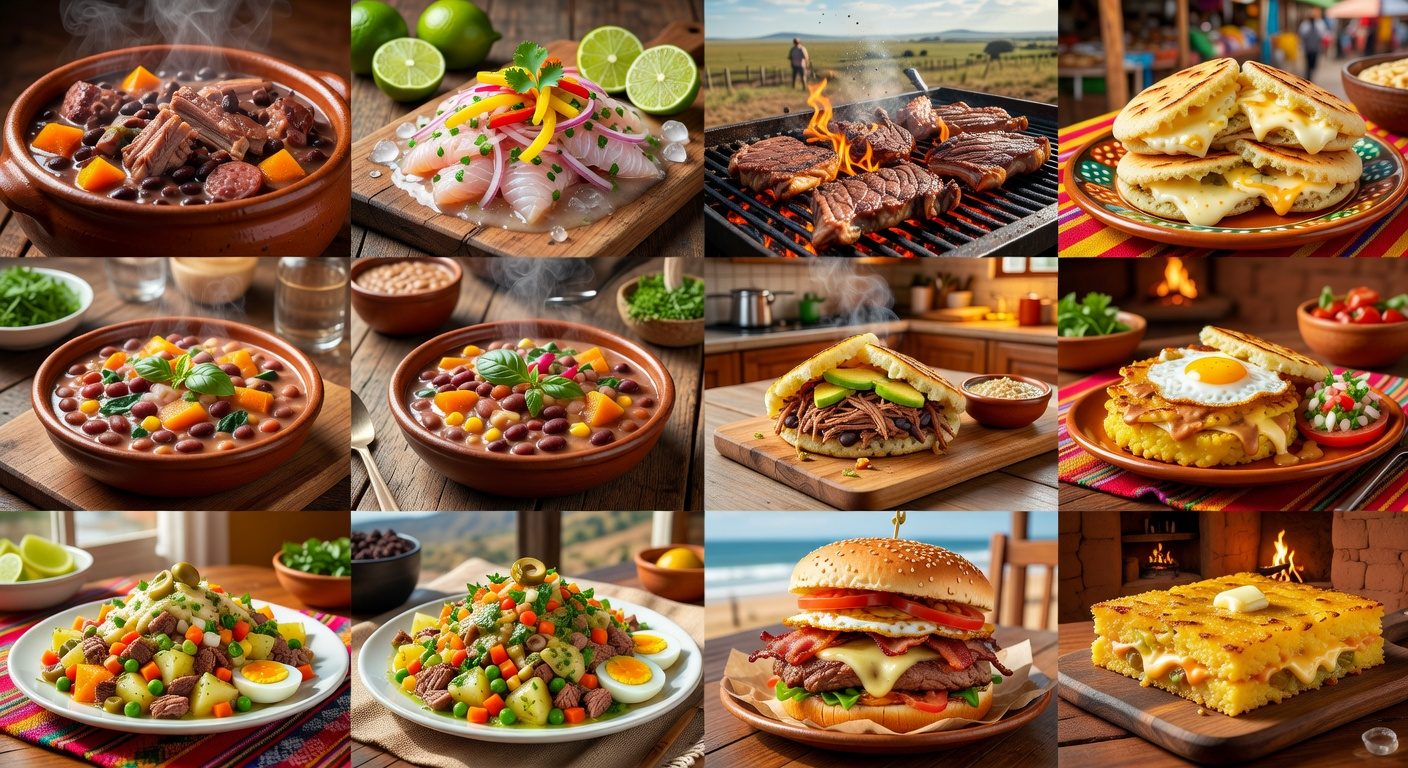
South America's gastronomy capital — Peru boasts more diverse ecosystems than any other country, and each one contributes unique ingredients to what many call the world's most exciting cuisine.
Peru's rise as a global food destination is one of the most remarkable stories in culinary history. In just two decades, it has gone from an unknown cuisine to home of the world's most awarded restaurant — and the "Novoandina" movement has inspired chefs worldwide.
The secret lies in biodiversity. Peru has 84 distinct ecological zones, from Pacific coastline to Amazon jungle to Andean highlands. Each provides unique ingredients found nowhere else — native potatoes in 3,000 varieties, more than 50 types of corn, Amazonian fruits that sound like something from science fiction.
Peruvian ceviche is not just raw fish with lime. It's a complex preparation of fresh fish "cooked" in tiger's milk (leche de tigre) — a spicy citrus marinade — with ají amarillo peppers, red onion, and cilantro. Eating it fresh in Lima is a transformative experience.
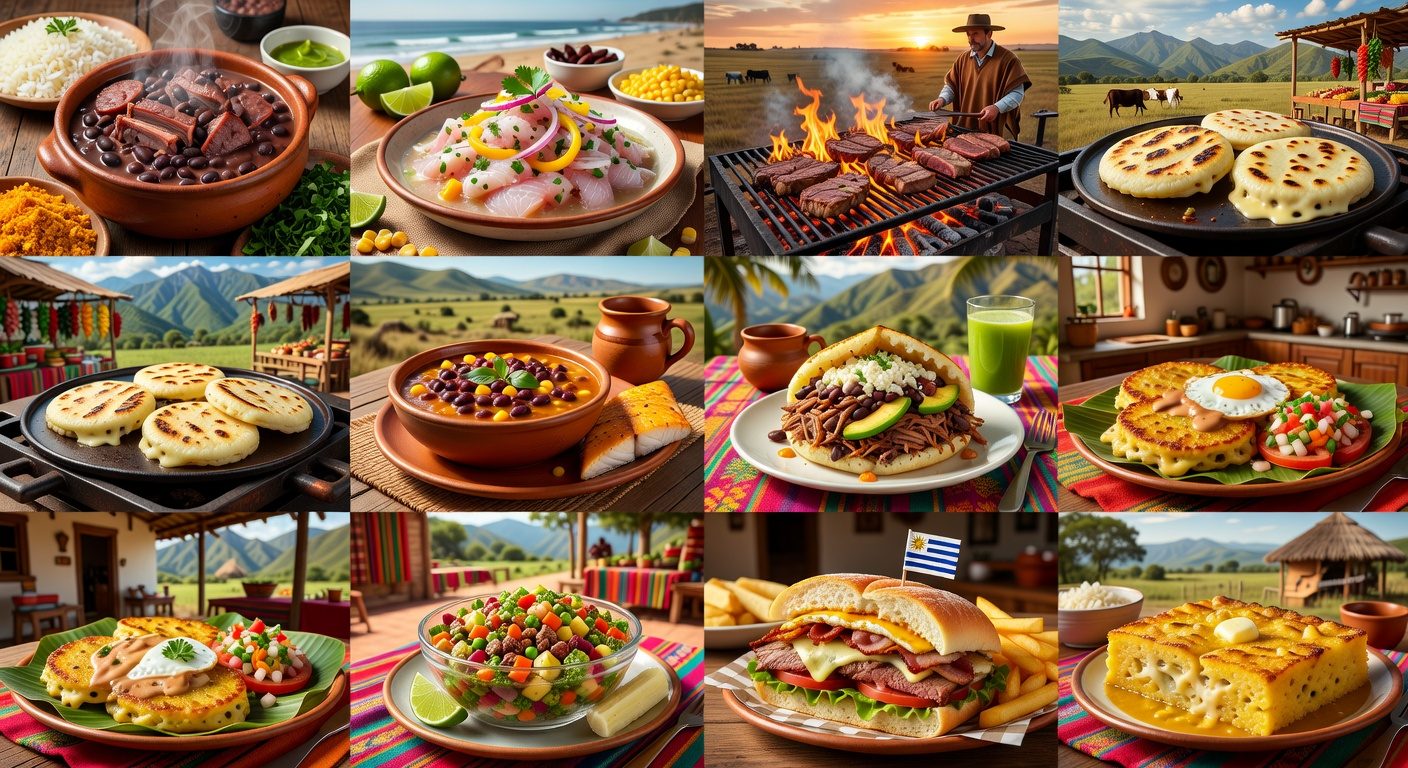
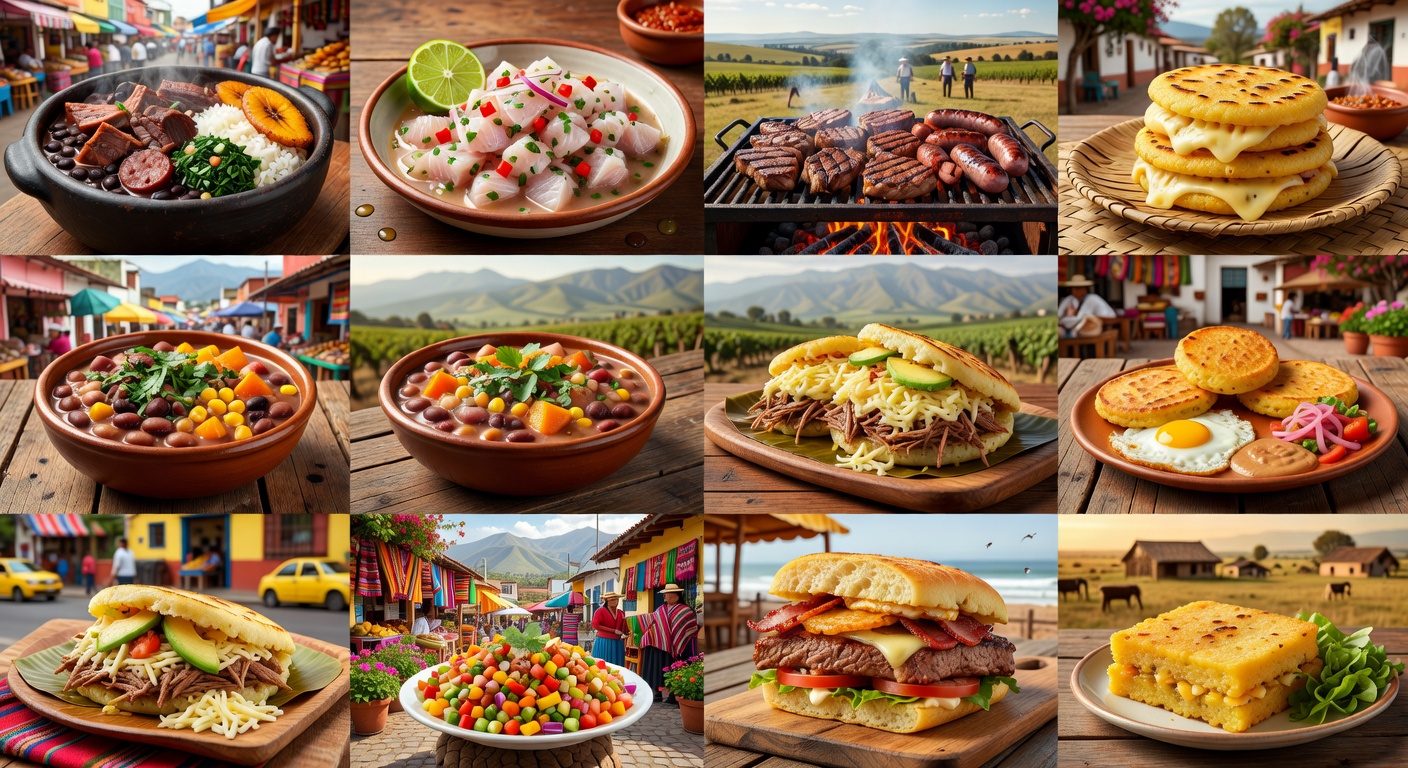
Fresh fish cured in tiger's milk with ají amarillo, red onion, and cilantro. Best eaten within hours of the fish leaving the water.

Stir-fried beef with tomatoes, peppers, and soy sauce — a testament to Chinese immigration's influence on Peruvian cooking (chifa).

Boiled potatoes smothered in a creamy, mildly spicy cheese sauce made with ají amarillo. Simple Andean comfort food at its finest.
The humble potato originated in Peru 8,000 years ago. Today, over 3,000 varieties grow here — many found only in this one country.
Creamy, yellow-fleshed potato — the preferred choice for causa and papa a la huancaína
Purple potato used for the famous mazamorra morada dessert and chicha morada drink
Black-skinned, waxy potato with intense earthy flavor — cooked in pachamanca (underground oven)
Freeze-dried potatoes — an Andean preservation technique 2,000 years old, creating intensely flavored dried chips
Peru's food capital and home to ceviche, tiradito, causa, and the world-renowned restaurants of Miraflores.
Hearty high-altitude cuisine — cuy (guinea pig), alpaca stew, chicha de jora (corn beer), and pachamanca.
Exotic Amazonian ingredients — paiche fish, patarashca (fish wrapped in bijao leaves), and jungle fruits.
The "White City" with its own proud cuisine — rocoto relleno (stuffed hot peppers) and adobo.
Seafood paradise and home of arroz con leche traditions, seco de cabrito, and ceviche variations.
The birthplace of Pisco — Peru's national spirit. Vineyards and pisco bodegas line the Ica Valley.
Peru has the world's #1 restaurant. Read our Americas street food guide to discover Lima's incredible culinary scene.
Explore Americas Street Food →