
Fear of street food is one of travel's greatest wastes. The world's most extraordinary, authentic, and affordable food is served from carts and stalls — and with a few sensible habits, it is entirely possible to eat adventurously and safely anywhere on earth. Here is everything you need to know.
The Reality of Street Food Safety
Let's start with some reassurance: street food illness is far less common than traveler anxiety suggests. Millions of people eat street food every day across Asia, Africa, and Latin America without incident. The vendors have been feeding their local communities — people who know their food — for years, sometimes decades. If a stall is thriving, it's because its food is good and its customers haven't gotten sick.
The most common cause of traveler illness is not street food but tap water, ice, and salads washed in tap water — things available in restaurants as well as on the street. Understanding this shifts your thinking from avoiding street food to being more consistently water-vigilant.
"The greatest risk in street food isn't what you eat — it's what you don't eat while worrying about what you eat." — Anthony Bourdain

How to Choose the Right Vendor
Selecting a good street food vendor is a skill that develops quickly once you know what to look for. These signals are reliable across cultures and countries.
🟢 Good Signs
Long queues of locals. Rapid turnover of food. Food cooked fresh to order at high temperature. A clean, organised stall. The vendor eating their own food. Separate utensils for raw and cooked food.
🔴 Warning Signs
Food sitting at room temperature for extended periods. Pre-cooked food with no visible heat source. Flies on food. No running water near the stall. Food not covered when not in use. Very few or no local customers.
The Queue Test
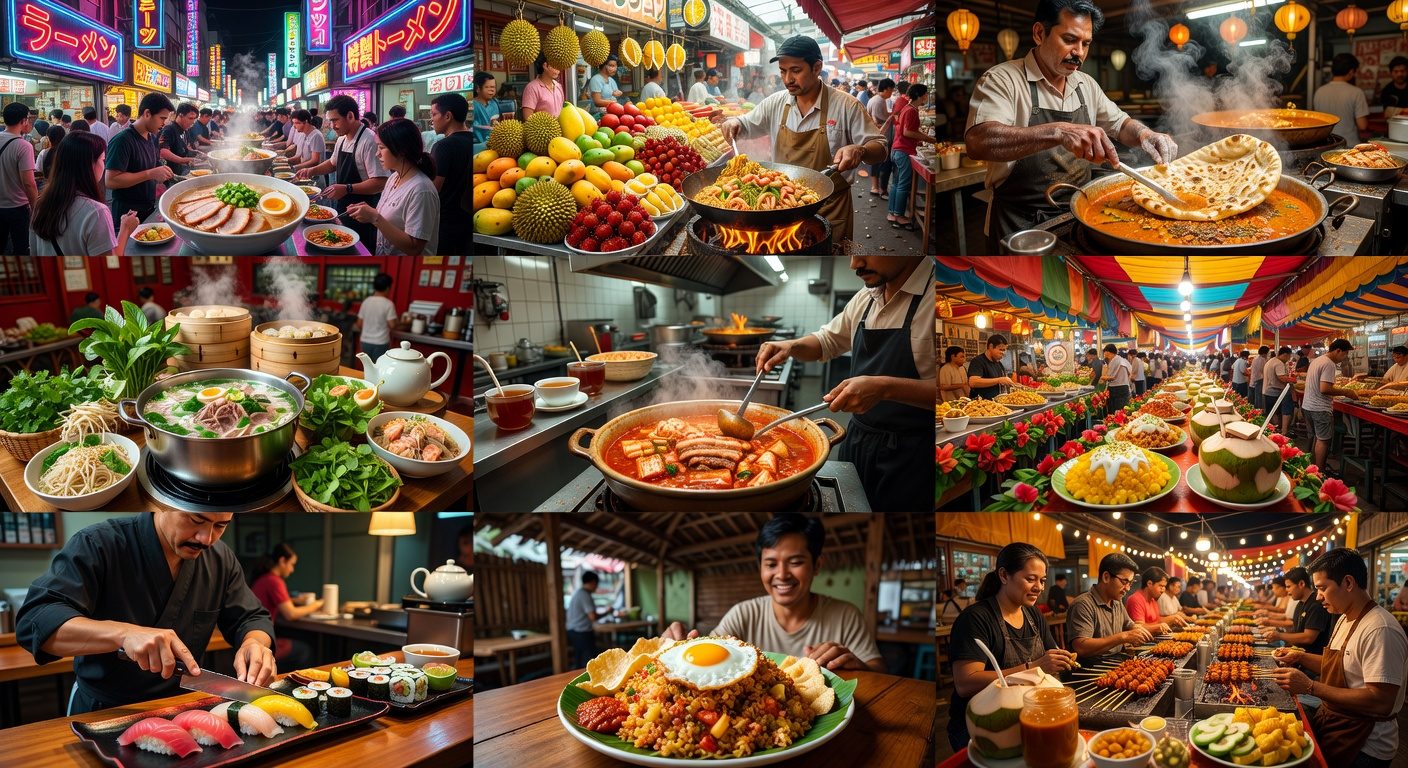
The single most reliable indicator of street food quality and safety is a queue of local people. Locals know which vendors have been making them sick (and they never return) and which ones produce food worth waiting for. If a stall has a line of working people on their lunch break, it has passed the most rigorous food safety test available: community experience.
Water: The Real Risk
The majority of traveler stomach problems are caused by water, not food. In many countries, tap water contains microorganisms that local populations have developed immunity to through years of exposure, but that cause digestive upset in first-time visitors.
Avoid tap water, ice from unclear sources, and raw salads or fruits that may have been rinsed in tap water. Stick to bottled water, hot drinks made with boiled water, carbonated drinks, and fruits you peel yourself. This one habit will dramatically reduce your risk more than any food choice.
Preparing Your Stomach for Adventure
Eating probiotics in the week before your trip — through yogurt, kefir, sauerkraut, or probiotic supplements — can help establish a resilient gut microbiome. Some experienced food travelers also take a gentle probiotic daily while traveling.
Start slowly in a new country — begin with cooked foods in the first day or two before moving to rawer preparations. Give your digestive system time to adjust to new flavors, spices, and the local microbial environment before diving into the most adventurous eating.
The Complete Do's and Don'ts
Do This
- Follow queues of local workers and families
- Eat food cooked fresh in front of you at high heat
- Carry hand sanitiser and use it before eating
- Drink bottled water and avoid ice if uncertain
- Peel all fruit yourself
- Ask for your food well-done if you're uncertain
- Carry oral rehydration sachets just in case
- Trust your nose — good food smells good
Avoid This
- Pre-cooked food sitting at room temperature
- Raw salads in areas with unreliable tap water
- Shellfish and raw seafood in very hot climates
- Ice in drinks if water quality is uncertain
- Food from vendors with very few customers
- Buffet food that has been sitting out for hours
- Unpasteurised dairy in hot climates
- Eating with unwashed hands
What to Do If You Get Ill
If you do experience stomach upset — which even experienced food travelers occasionally do — the most important things are rest, rehydration, and patience. Most travel stomach upsets resolve within 24–48 hours with rest and oral rehydration salts.
Seek medical attention if you have a high fever (above 38.5°C/101.3°F), blood in your stool, symptoms lasting more than three days, or severe dehydration. Travel insurance with medical coverage is always advisable for this reason.
The final thought: don't let fear win. The world's greatest food is on the streets, and the occasional minor upset is a small price for some of the most memorable meals of your life. Eat adventurously, eat thoughtfully, and eat joyfully.