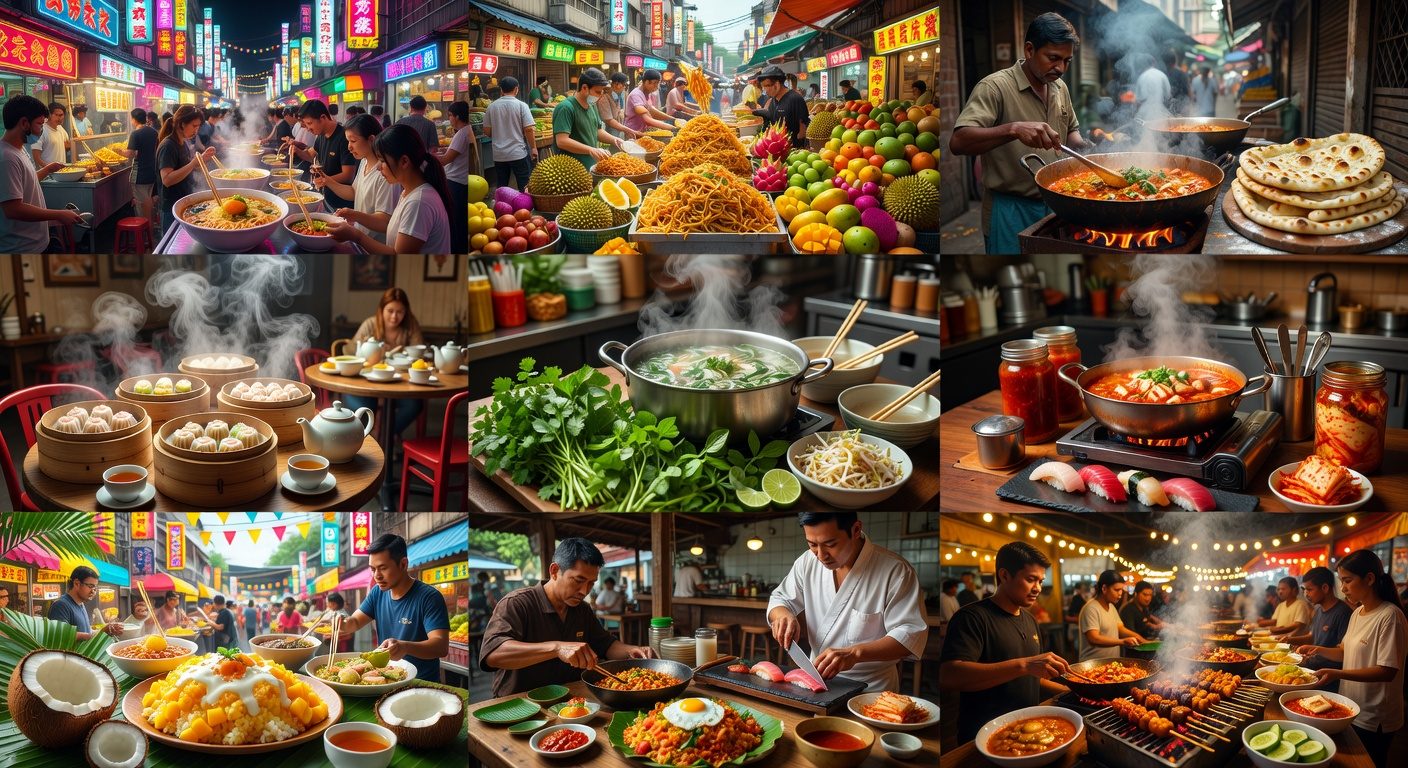
The Art and Obsession of Japanese Ramen
"A perfect bowl of ramen is like a symphony. The broth is the orchestra, the noodles are the melody, and the toppings are the soloists." — Chef Kazuo Yamagishi
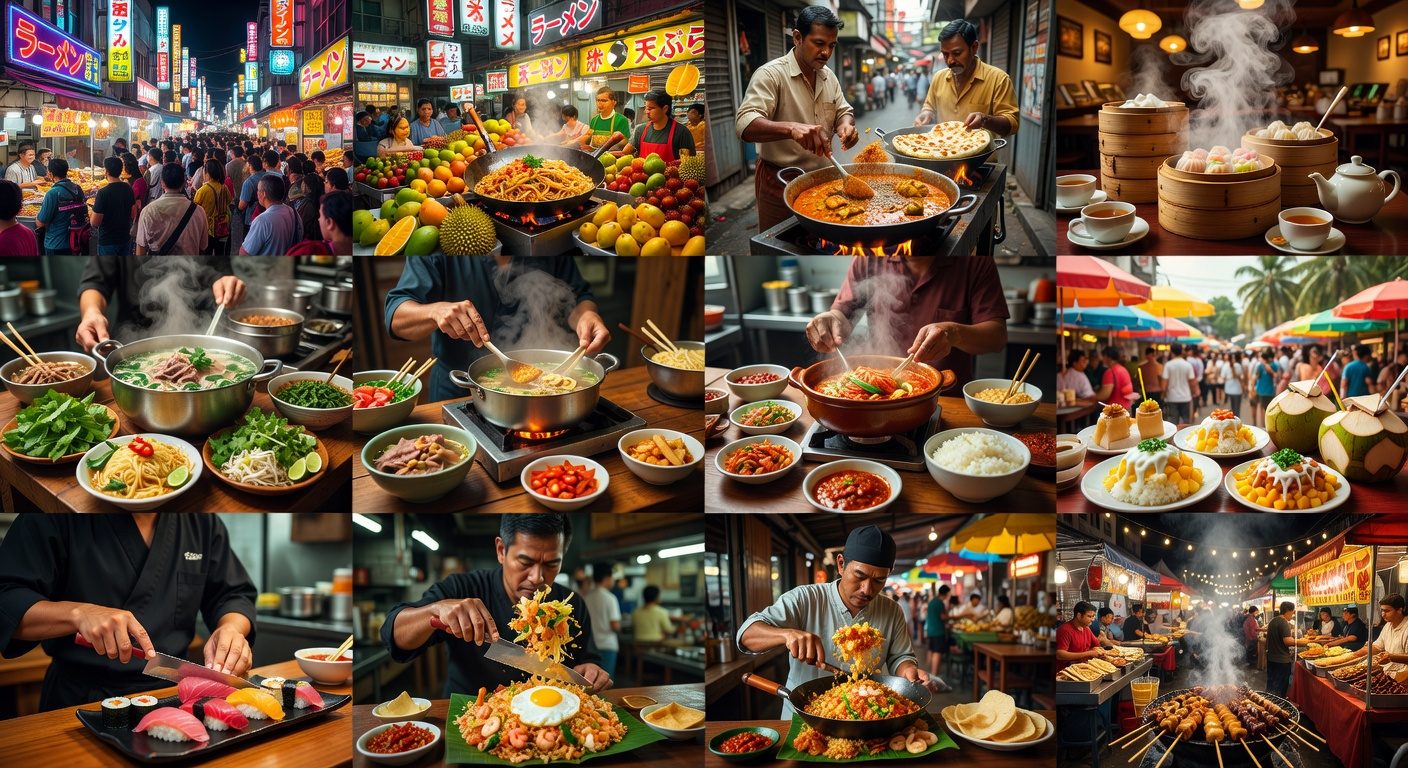
The Five Essential Ramen Styles
Tonkotsu
The richest, most indulgent of all ramen styles — a broth made from pork bones simmered at a rolling boil for 12–18 hours until it turns creamy white and opaque. The collagen from the bones gives the broth its characteristic rich body and unctuous quality. Served with thin, straight noodles and topped with chashu pork belly, a soft-boiled marinated egg, pickled bamboo shoots, and green onion. The tonkotsu shops of Tokyo often specialise in a version lighter than Fukuoka's original.
Shoyu (Soy Sauce)
Tokyo's signature ramen style — a clear, amber-coloured broth made with chicken and/or pork, seasoned with soy sauce (shoyu) tare. The broth is elegant rather than rich, allowing its complex savoury depth to shine through. Served with wavy noodles, narutomaki fish cake, spinach, menma bamboo shoots, and a sheet of nori seaweed. Shoyu ramen is the style most deeply rooted in Tokyo's culinary history, and the old-school shops of Asakusa and Ikebukuro serve some of the finest examples.
Miso
Hokkaido's greatest ramen contribution — a hearty, deeply savoury broth built on a miso tare base combined with chicken or pork stock, often enriched with lard and seasoned with garlic. Miso ramen can handle bolder toppings: corn, butter, bean sprouts, and thick-cut chashu pork. The richness of miso ramen makes it particularly satisfying in cold weather, which explains its origin in snowy Sapporo. Tokyo's miso ramen specialists often use blended miso varietals for maximum complexity.
Shio (Salt)
The most delicate of all ramen styles — a pale golden, clear broth seasoned only with salt (shio) tare, allowing the purity of the chicken, seafood, or pork stock to speak for itself. Shio ramen demands exceptional ingredients because there is nowhere to hide — the broth must be perfect. Topped simply with bamboo shoots, green onion, and thinly sliced chashu, shio ramen rewards the most discerning palate and is often the style that ramen chefs use to demonstrate their technical mastery.
Tsukemen (Dipping Ramen)
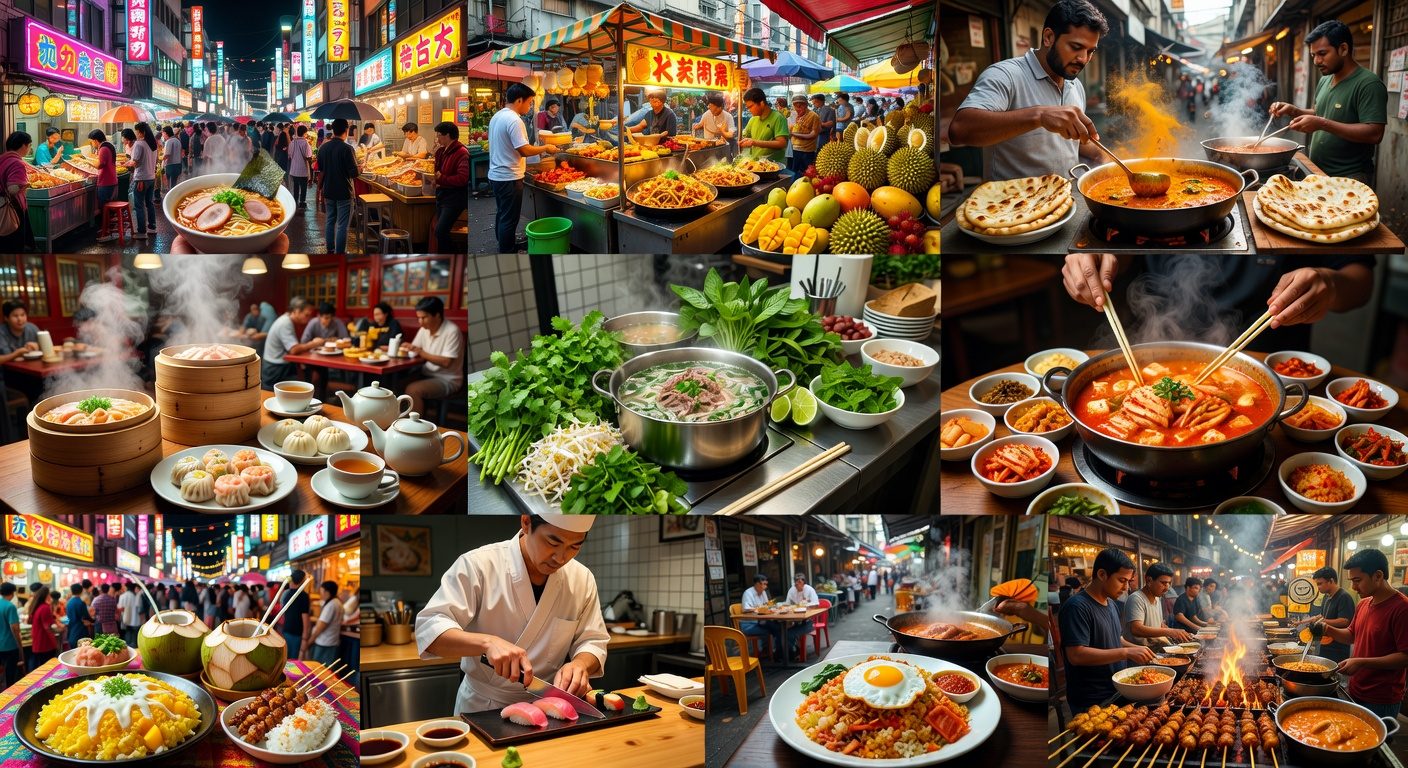
Top 5 Ramen Shops in Tokyo
With over 5,000 ramen shops in Tokyo, choosing where to eat is the hardest part of any ramen pilgrimage. These five shops represent the pinnacle of their respective styles — each worth any queue.
Fuunji
Tokyo's most famous tsukemen specialist — the dipping broth is a magnificent blend of chicken, fish, and thick soy sauce, with a depth of flavour that stays with you for days. Arrive before opening to queue; closing time is when the broth runs out, sometimes by early afternoon.
Ichiran Ramen
Harukiya
Founded in 1949, Harukiya is one of Tokyo's oldest and most respected shoyu ramen shops — the broth is a pure, elegant chicken and soy blend that embodies old Tokyo ramen tradition. Nothing fancy, nothing modern; just perfect execution of a timeless recipe.
Afuri
The shop that put yuzu shio ramen on the Tokyo food map — a clear, delicately fragrant broth finished with fresh yuzu citrus. The bowls are lighter and more refined than traditional ramen, appealing to diners who want elegance over indulgence. Multiple Tokyo locations now exist.
Shin-Yokohama Ramen Museum
Tips for the Tokyo Ramen Pilgrim
Eating ramen in Tokyo is straightforward once you understand a few cultural conventions. Most shops have ticket vending machines at the entrance — insert cash, select your bowl, receive a ticket, and hand it to the counter staff when you sit. Slurping is not just acceptable but actively encouraged — it aerates the broth and enhances the flavour. Adding extra noodles (kaedama) is available at many tonkotsu shops when you're nearing the bottom of your broth.
Queue culture at popular Tokyo ramen shops is extremely organised — stay in line, don't hold spots for latecomers, and don't try to negotiate your way past the queue order. The wait is always worth it, and it's part of the experience.